Swaithe Main Disaster 6th December 1875

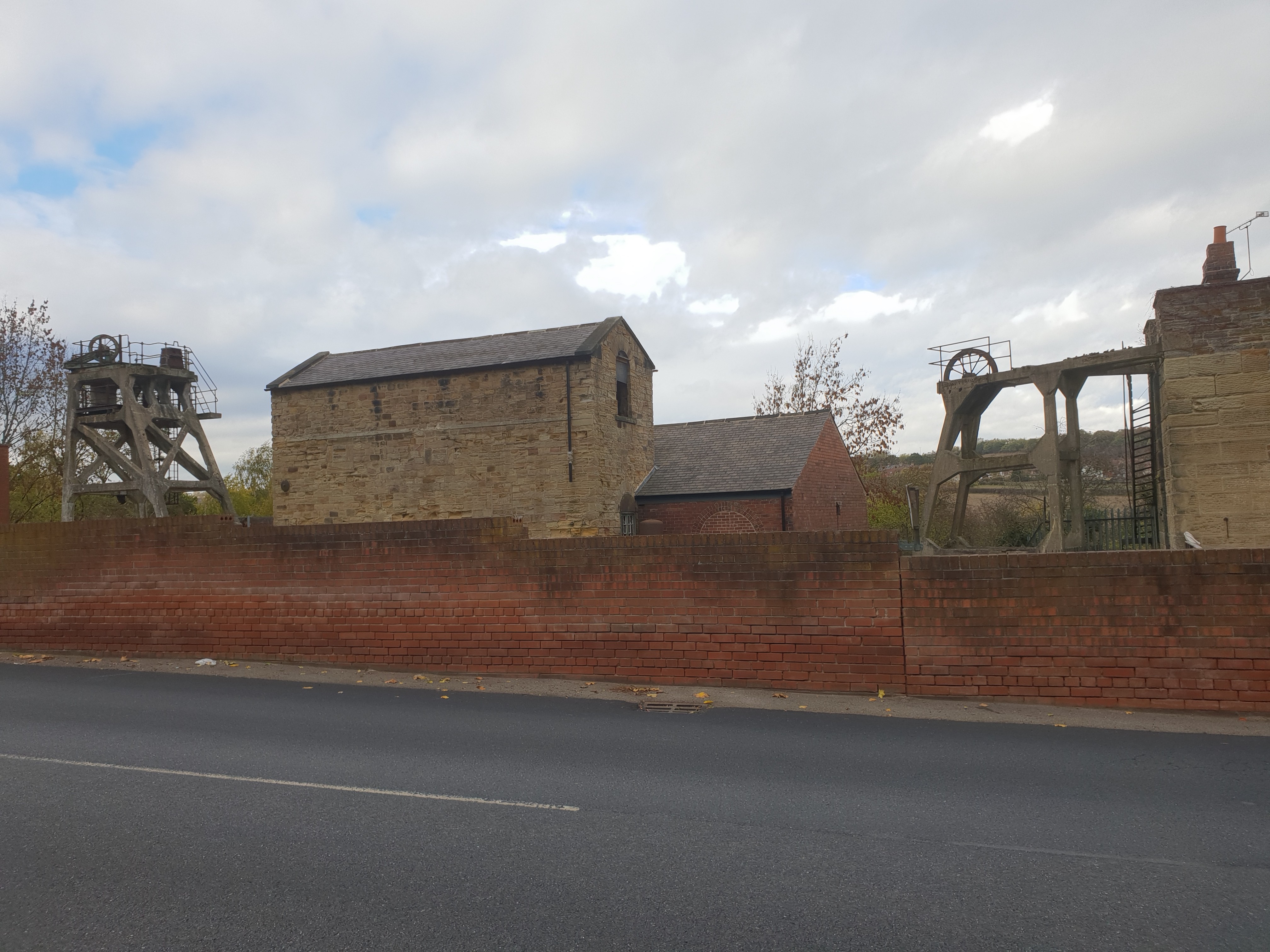
150 years ago on Monday 6th December 1875, a terrible explosion ripped through the underground workings 230 yards beneath the surface at Swaithe Main Colliery, near Worsbrough, near Barnsley. A second explosion had also likely been triggered by the first.

239 men and boys were at work underground at the time, and altogether the disaster claimed 143 lives, although the specific cause was never ascertained.

The explosion killed horses and men, flame burning a number of victims and charring the wooden props, as well as blasting coal tubs (corves) and other debris and causing roof falls blocking parts of the workings. Two of the first rescuers also succombed to afterdamp.

We remember them and the real dangers of working the Barnsley Coal seam in the 19th Century, just as was worked at Hemingfield Colliery,  Lundhill and the Oaks which all saw disasters in the 1850s and 1860s.

Continue reading

Duly roasting in July 2022

Feeling hot, hot, hot was definitely the defining feature of July 2022, between 16-20th, and especially on Monday 18th and Tuesday 19th as the Met Office issued its first ever Red warning for extreme heat, together with amber warnings indicating danger to life or potential serious illness.

Continue reading

Winter chills, Summer sun!

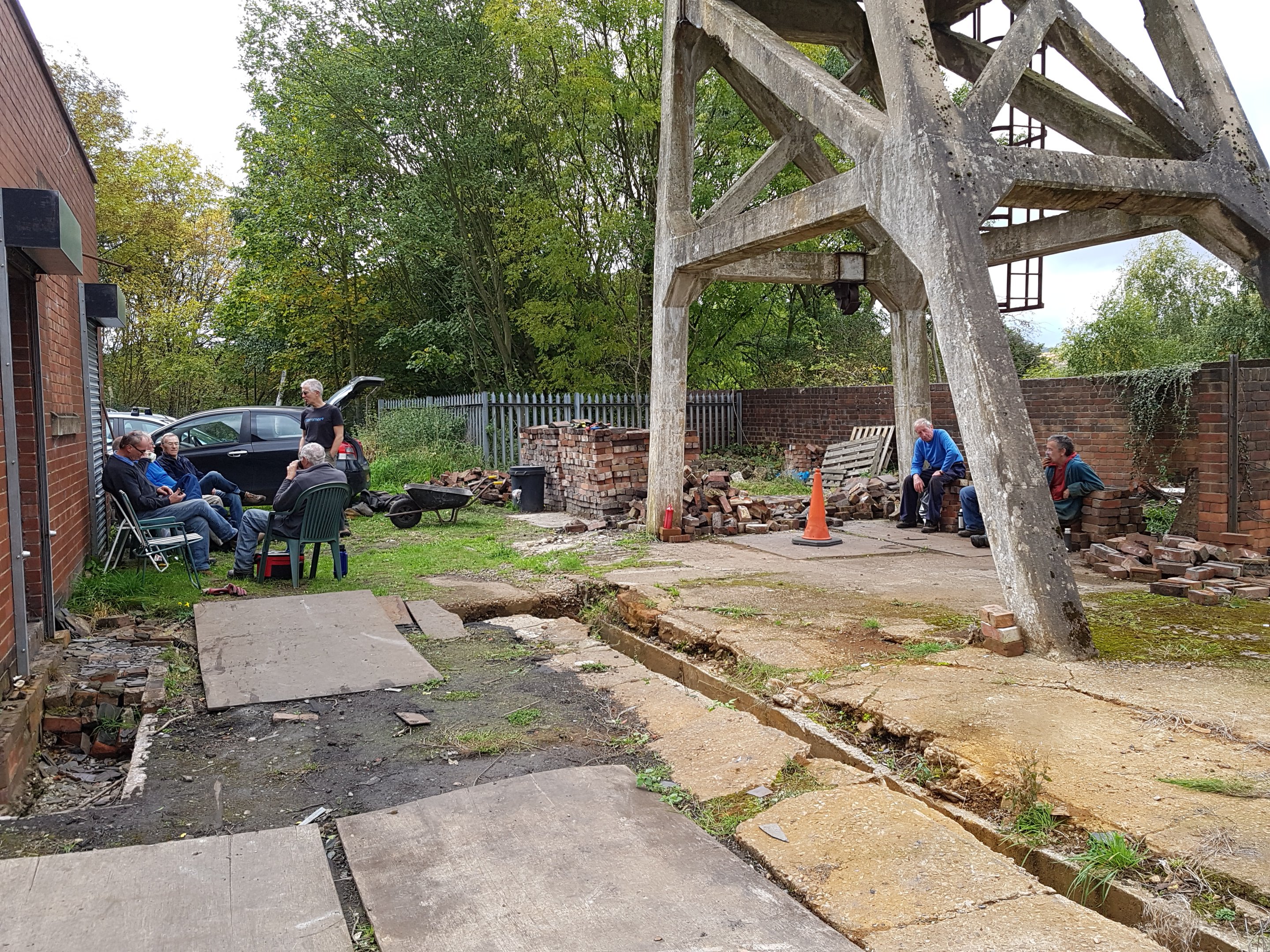
This weekend the group continued work on the renewal of the garden of Pump House Cottage, and improving accessibility to the site to suport our National Lottery Heritage Fund project – Hemingfield’s Hidden History. All the while basking in the presence of a summer-like sun!

Continue reading

Full exposure, Saturday 17th July 2021

The sun always shines on Hemingfield

If you had told us Hemingfield had somehow been transported to the Caribbean this weekend, no-one would have questioned it. The sandy beaches might have been in short supply, but there was certainly plenty of sun, and even some tourists!

Continue reading

From Pit to Pump: 100 years ago today, 15th May 1920

View of Hemingfield Colliery in May 2020: the 2 concrete headgears over the old winding pit and the pumping pit and the 2 engine houses can be seen
View of Hemingfield Colliery, May 2020

100 years ago…

A hundred years ago today, on the 15th May 1920, the last corf load of coal was raised from Earl Fitzwilliam’s Hemingfield Colliery. It marked the end of an era for the pit, as silence fell, albeit temporarily, at the main winding shaft.

Continue reading

Storm force from Hemingfield, or the Shipping Forecast.

What with Storm Ciara (pronounced keera) threatening proceedings, and suggestions of Storm Dennis barely a week away, the Friends threw caution to the – admittedly light – wind on Saturday 8th February 2020, and ventured down to site for a surprisingly storm-free open day at Hemingfield Colliery.

Continue reading

Open Day, Saturday 3rd November 2018

Notching up November

On Saturday morning the Friends of Hemingfield Colliery returned to work on another open day. The approach of winter hardens the ground and turns the air, so working out doors becomes harder and the days slightly shorter as the clocks fell back at the end of October. With the great sleep-in behind us, the Friends and regular volunteers were eager to face the ultimate challenge: shifting the Great Stump.

Continue reading

Open Day and working weekend, 30th September 2017

Progress

For the last open day weekend in September, the Friends of Hemingfield Colliery gathered in numbers. Site Manager Glen was joined by Friends Chair Steve, and regular volunteers Nigel, Alan, John, together with John, Phil, Chris, Mike and another Phil – a very full crew.

Full house. Catching up with Friends and volunteers

Continue reading

Open Day and Working Party, 21st January 2017

20170121_134121

Fuelling the Friends – A rich seam of enthusiasm

As the Friends and volunteers returned to site at the end of January, they discussed their plans, passions and other pass times. With Friends Director and Site Manager Glen on hand, Friends Chair Steve, Director Ian and Friends’ Director of Volunteering Christine, this weekend was a great time to celebrate the many volunteer voices at Hemingfield; sharing personal passions, insights and enthusiasms. Volunteers John, Iain, Glenda, Keith, Chris and Phil were on hand during the day to lend a hand, and share the research and discoveries they had made.

Continue reading

Open Day and Working Party Weekend, 29th October 2016

Seasons to be cheerful

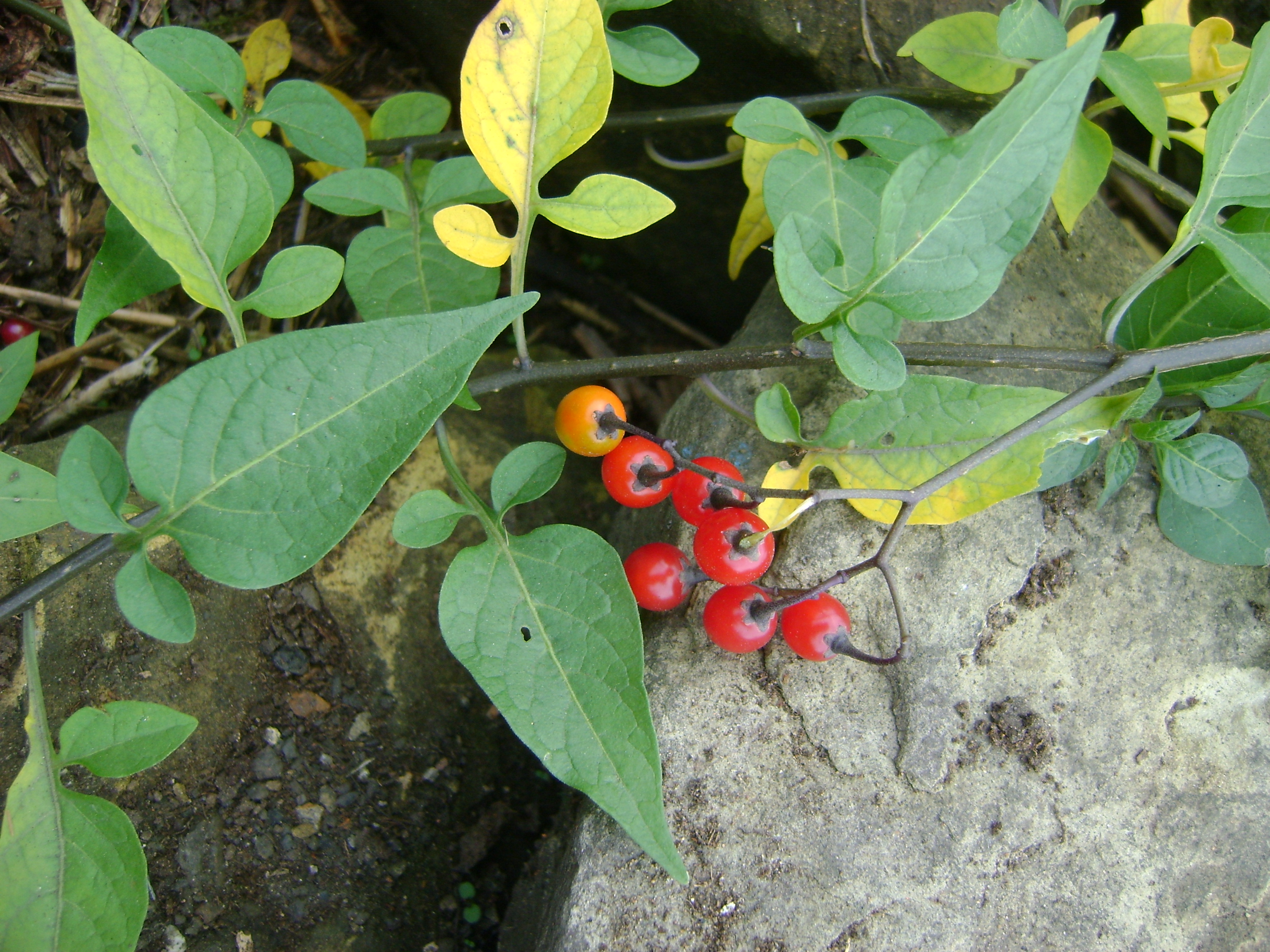
The Friends of Hemingfield Colliery arrived on site this weekend as autumn colours finally began to take hold all around. Shivering trees of burnt orange and raw sienna tones, Woody Nightshade berries of bright tomato-red shades and Yellow Snapdragon flowers of a delicate lemon hue all displayed their dazzling natural beauty against a backdrop of grey-brown industrial features.

Woody Nightshade (Solanum dulcamara) plants have invaded the site, clambering over rocks and brick rubble and smothering scrap heaps. This plant is a member of the Solanaceae family, the most well-known genera of this family perhaps being Solanum tuberosum (potato) and Solanum lycopersicum (tomato). Woody Nightshade is a truly beautiful plant with curvaceous, arrow-shaped leaves and striking purple flowers, which are succeeded by succulent, though highly poisonous, scarlet fruits.

dsc08753    dsc08820a

Yellow Snapdragons (Linaria vulgaris) are dancing happily on our freshly-formed clearance spoil heaps, their delicate pale lemon and yellow petals adding a welcome splash of sunshine to the dull brown mounds of soil. Naturally a late bloomer, the Yellow Snapdragon can often be seen brightening up waste places, disturbed land, road verges and railway sidings as the sparkly month of October turns into gloomy November.

And this changing season has brought with it changing times for the colliery – the beginnings of a new lease of life for the engine house.

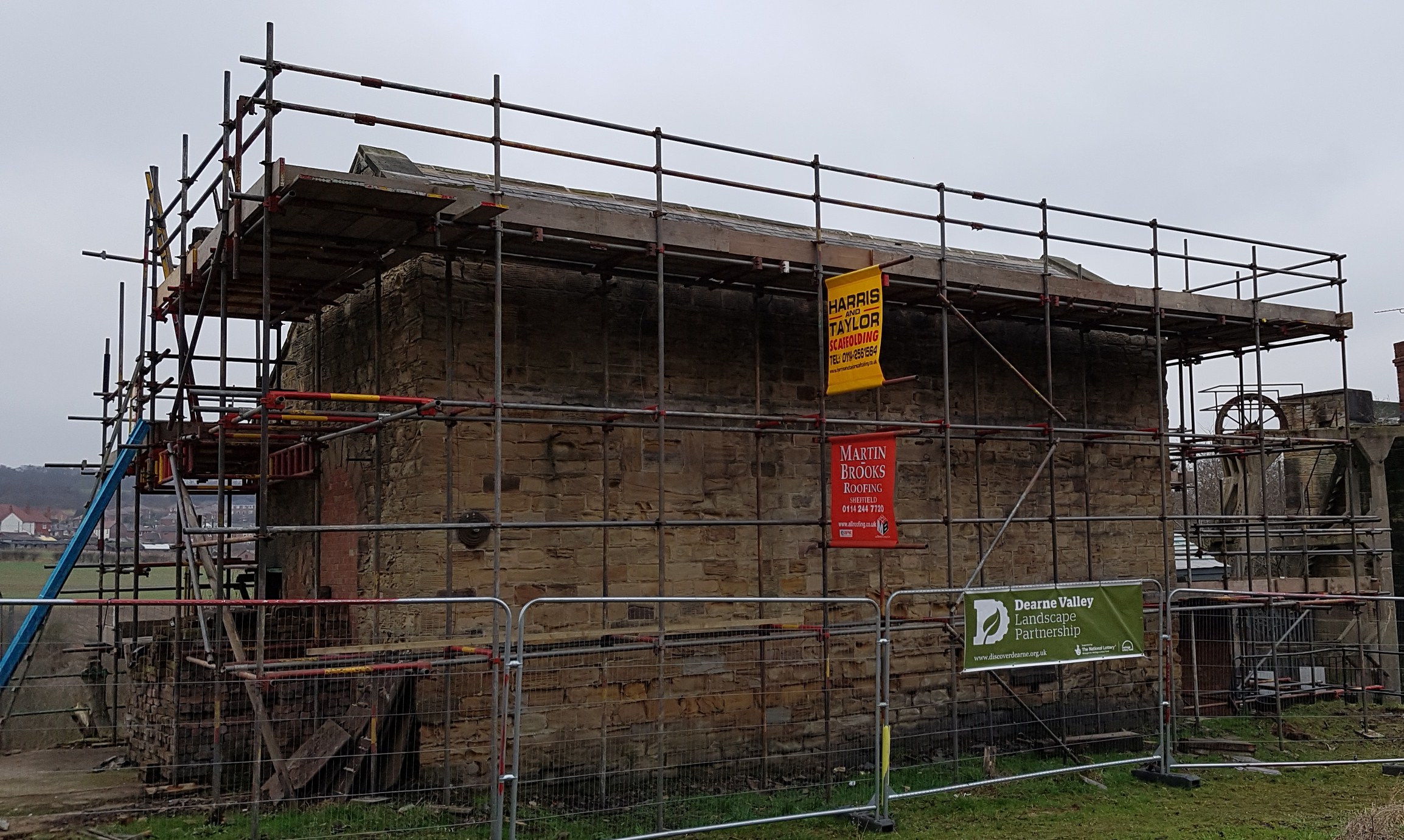
Thanks to generous support from The Dearne Valley Landscape Partnership, the Association for Industrial Archaeology, and Subterranea Britannica, the colliery site has been transformed as work has begun on the repair and restoration of the roof of building which held the 1846 beam winding engine.

Continue reading