In this special Anniversary post, Chair of the Friends of Hemingfield Colliery, Steve Grudgings shares the first selection of reflections on a decade of challenges, progress and change at Hemingfield.

Gratitude
First things first, I wanted to say a big thank you to all of our volunteers, supporters, donors, visitors and friends, without whom we would not have reached our 10th anniversary.
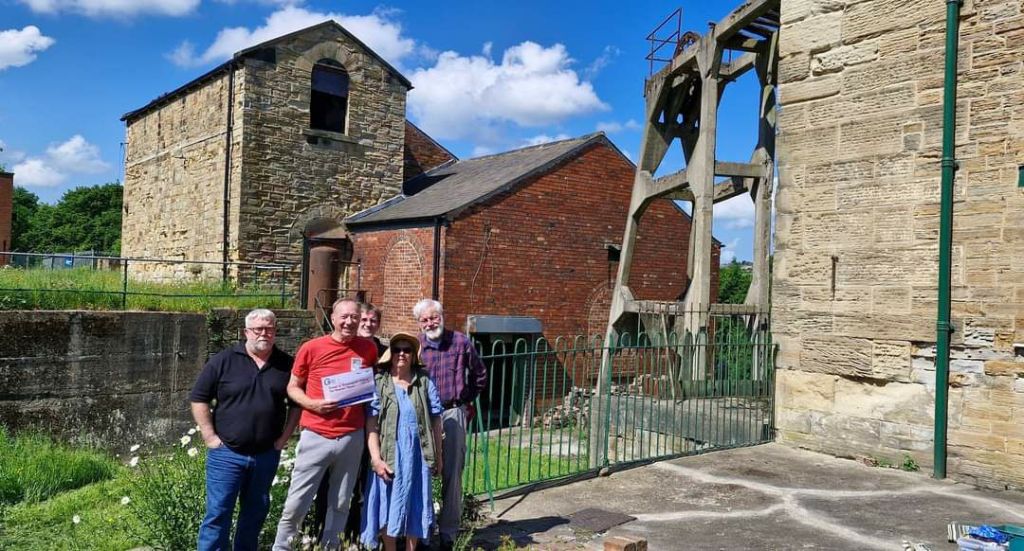
Looking back
I don’t have the privilege of being local, so I first became aware of what remained of Hemingfield Colliery when I was photographing the closure of Silverwood Colliery nearby, in Rotherham.

I had been taking photographs of Yorkshire and other UK pits for some time, and learnt to ask my hosts if they knew of any old disused pits or pumping stations nearby. Marshall Turton, the Silverwood manager pointed me to a number of local pumping stations, and that’s how I found my way to Hemingfield.
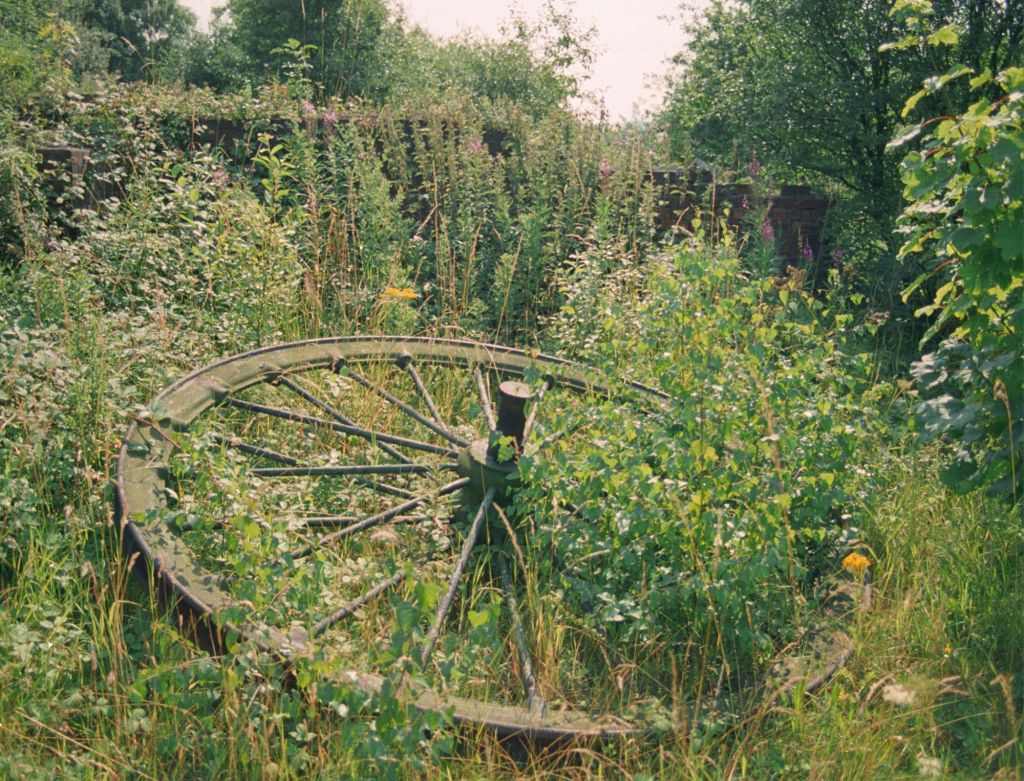
In 1995 Hemingfield and other abandoned pits were retained to pump water from their abandoned workings, so it did not percolate into the few remaining working pits.

The site was not manned, and was locked and secured; visited once a week to check the pumps and water levels by ECS, British Coal’s Contractors. I was allowed to join ECS on their visits, and the lads kindly unbolted the doors to Hemingfield to let me inside.
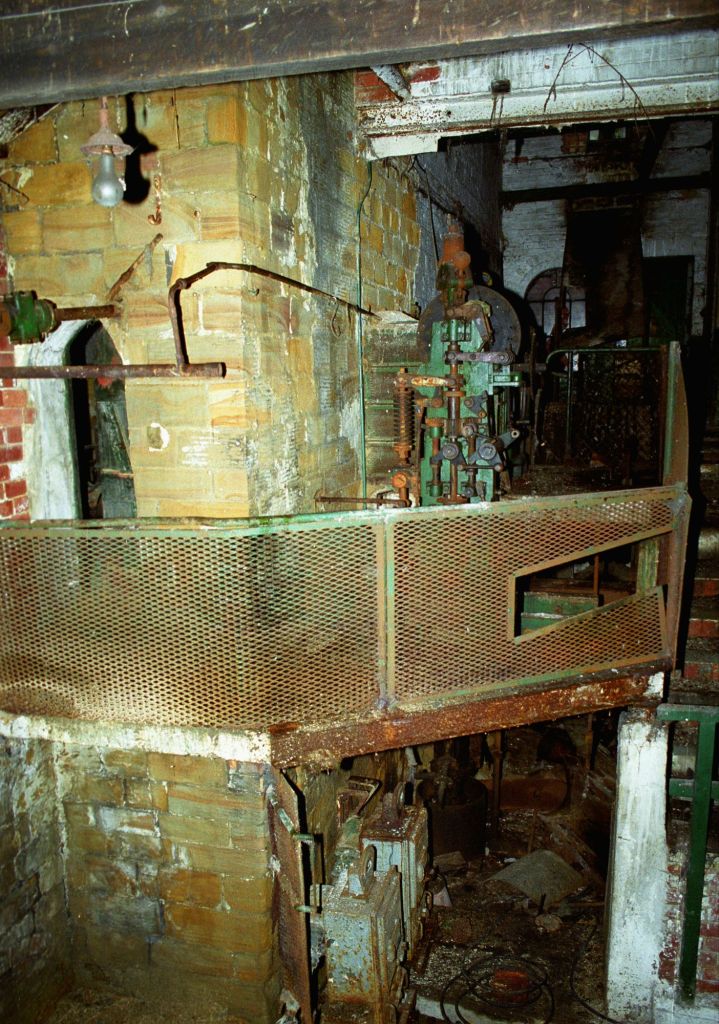
It was like entering Aladdin’s cave for me: full of disused old equipment and fittings, so I spent many happy hours there with a camera and tripod over the next couple of years.
Silence and obscurity
After Silverwood’s closure Maltby and Rossington were the only other pits nearby, and too distant to be affected by water from Hemingfield, so the pumps were removed and inspection visits reduced.
My attentions were directed elsewhere, and it was not until 2010 that I returned. By this time the attentions of thieves and vandals meant most of the remaining equipment was smashed or removed, and the electrical building had been set on fire and its roof burnt out. Twenty or so years of unchecked foliage growth had also meant the site was covered in trees and bushes and hardly visible in the summer.
When you see abandoned industrial sites in these conditions, you realise it is going to deteriorate further and that demolition is likely to be the only viable option. The site’s only saving grace was that it was small and unsuitable for housing development.
Last chance
So, one morning in 2012, when I was going round the few remains of the local coal industry, I parked by the gates and climbed over the wall to take some photographs, recognising these might be my final records of the site.
After battling my way through the jungle I was about to get back in my car when a local gentleman hailed me and enquired what I was up to – in the Yorkshire vernacular.
This event was the start of what became the Friends of Hemingfield Colliery (FOHC), as the gent concerned was none other than Glen Sheppard who lived opposite, and kept an eye on visitors as he too was concerned about the deterioration of the site.
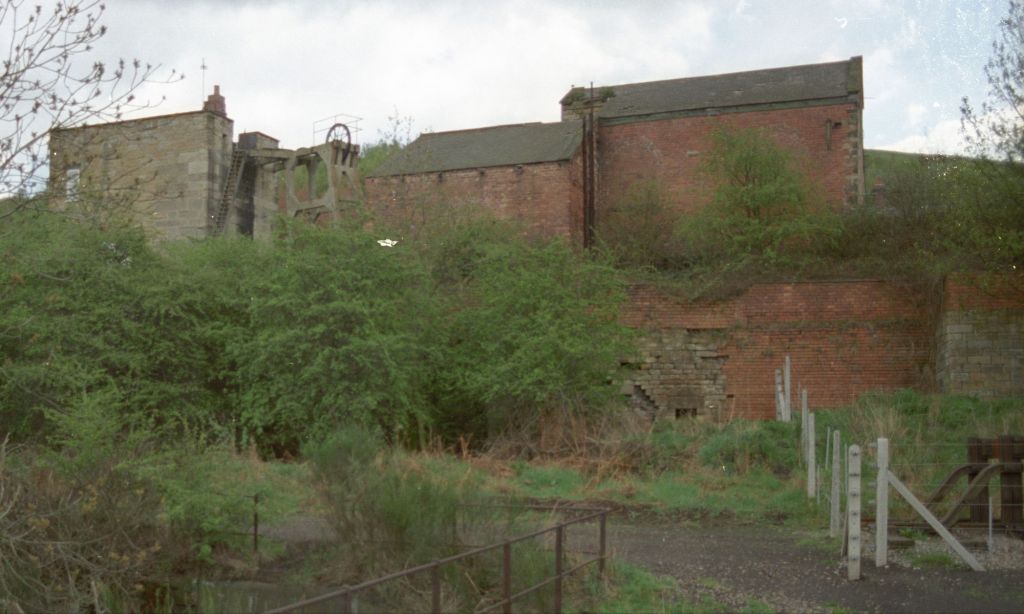
After lots more visits and conversations, we wondered if we could do something to protect and conserve the site – one of the very last surviving set of buildings of South Yorkshire’s once massive coal industry. Easier said than done of course, and no-one else seemed interested in the site. Rather than moaning about it, we thought we should try and do something…
To cut a long story short, we found the site had passed into the ownership of the liquidators of Daw Mill Colliery. A major underground fire there in February 2013 had effectively ruined the underground workings, making them unviable, and UK Coal, the owners went into insolvency.
New hope
We approached them to see if they would dispose of the site to us. To achieve this, the easy bits were to set up FOHC, appoint directors, and come up with an outline plan to show we meant business. Then, we needed to go and negotiate with the liquidators appointed estate agent – in this case Savills who are normally associated with sales of fine country estates and houses.
As it turned out they were pragmatic and after about ten minutes on the phone we had agreed on a price. We had purchased the winding engine house, roofless electrical house, two reinforced concrete headgears and the land around them. Pump House Cottage (the truncated Cornish Pumping Engine House) was still owned by British Coal and was rented out, so not included in the sale.
Sealing the deal
The next stage was less joyous! The price agreed was not a substantial sum in terms of real estate, but the vendors wanted to make sure we did not develop the site for housing and make massive profits – whilst nothing could have been further from our minds, it is understandable they needed this assurance. So having agreed the sale in late 2013, the various legal shenanigans lasted until June 2014 before we could formally acquire the site.
Boots on the ground
In the intervening period we did venture onto site to get the massive clearance and tidying up process. Glen, Christine and I were FOHC’s only resources, and the amount of work required was intimidating.
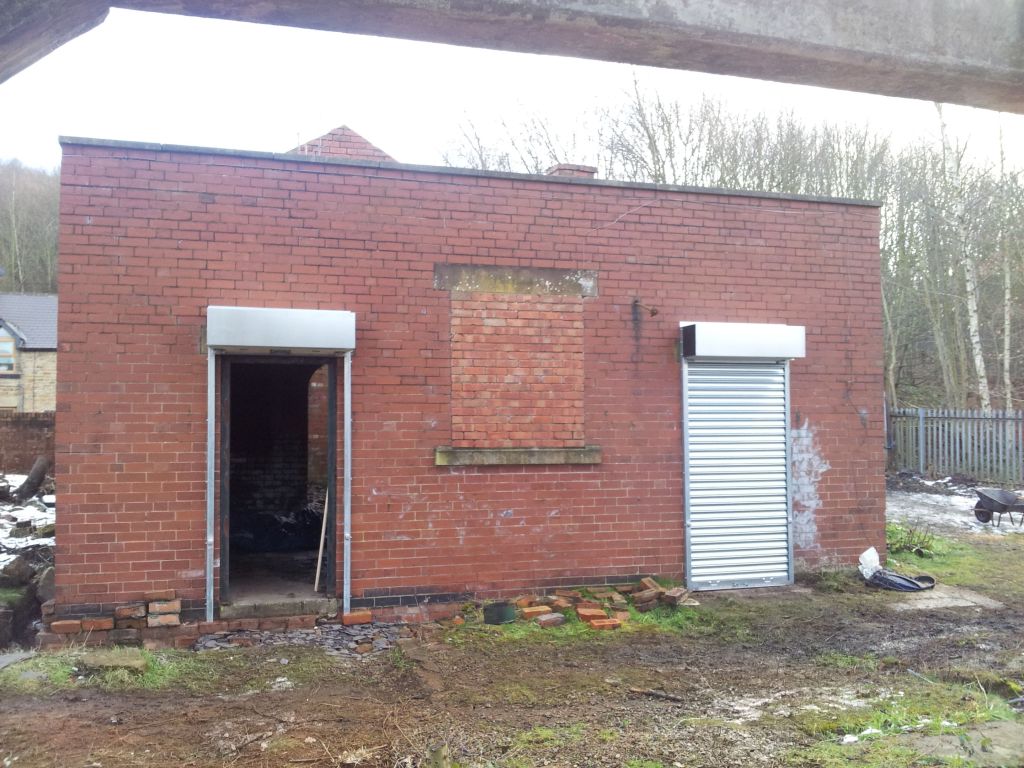
We realised that clearing the site would make it more visible, and accessible to unwelcome visitors, and so one of our first priorities was to make the buildings secure. Four roller shutter security doors were needed for this, and the cost of c£6,000 was more than our combined pocket monies would run to.
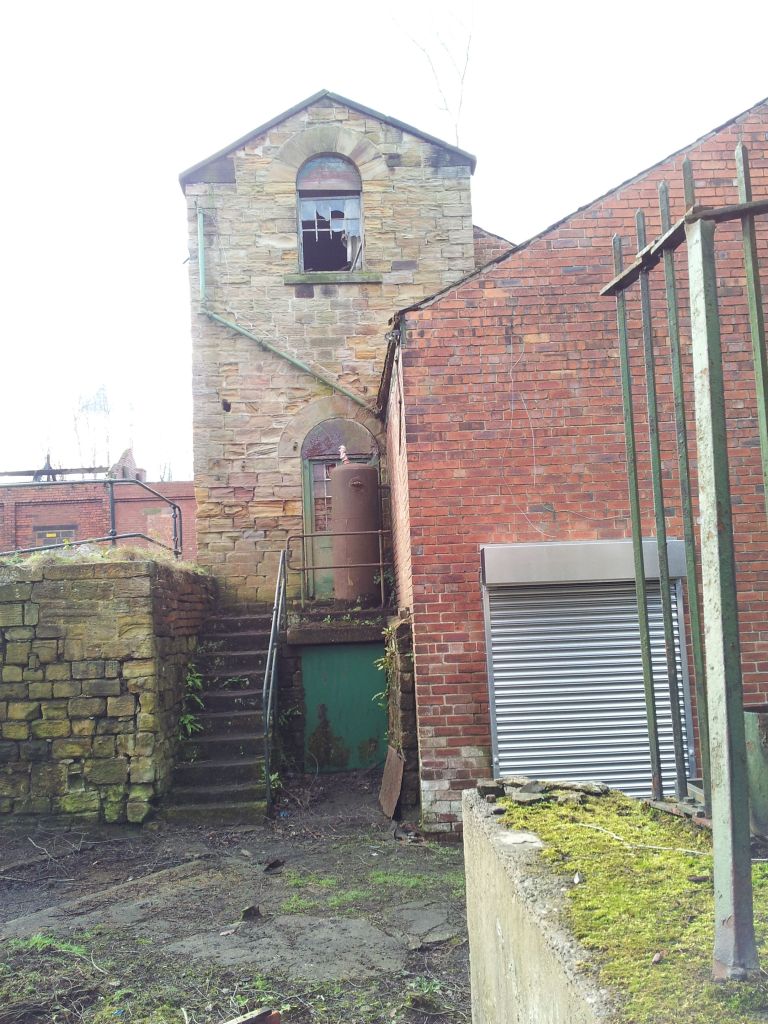
Fortunately, I was a long term member of the Northern Mine Research Society (NMRS), and when I approached them for a grant to pay for the four doors they very quickly and kindly agreed and these were installed late in 2014 – thanks NMRS!

 Friends of Hemingfield Colliery