Our regular volunteers definitely made the best of a bad summer, visiting site on the 13th, 20th, and 27th July, and 3rd, 10th, 17th, and 31st August.

We also had some special visitors on Friday 5th July, and Weds 21st August but more of that anon…
Halcyon meadows

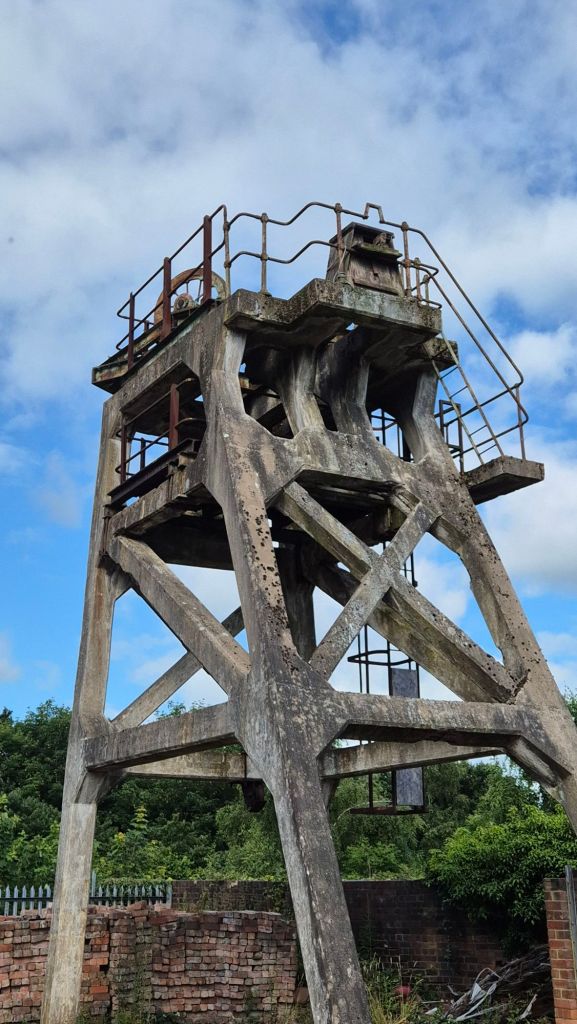
Friday 5th July was a new dawn, not just the day after the night before a UK General Election, but also a bit of blue sky for a change (please refer to May). Nature was putting on quite a show, with newly fledged birds in the headgear birdbox…
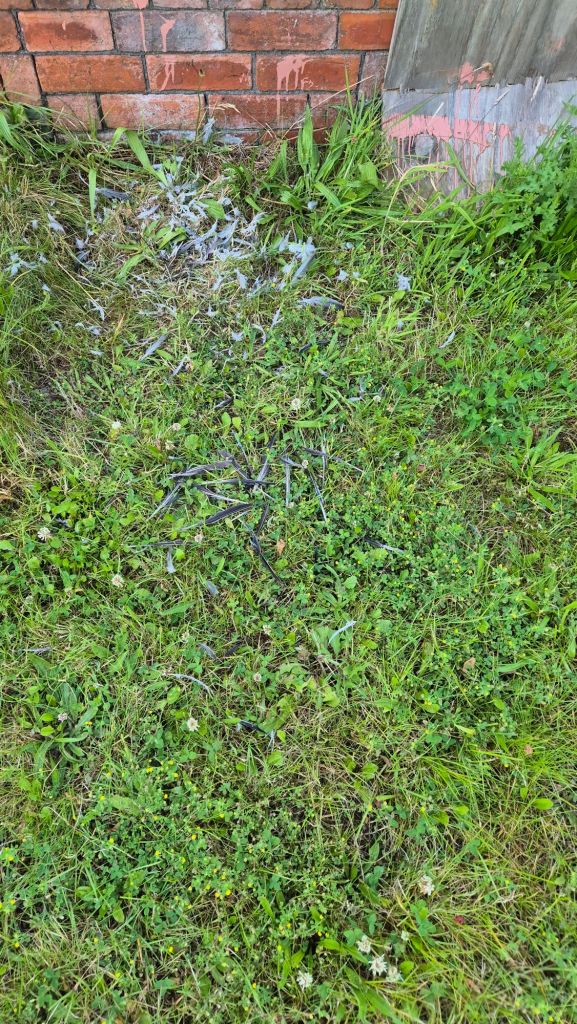
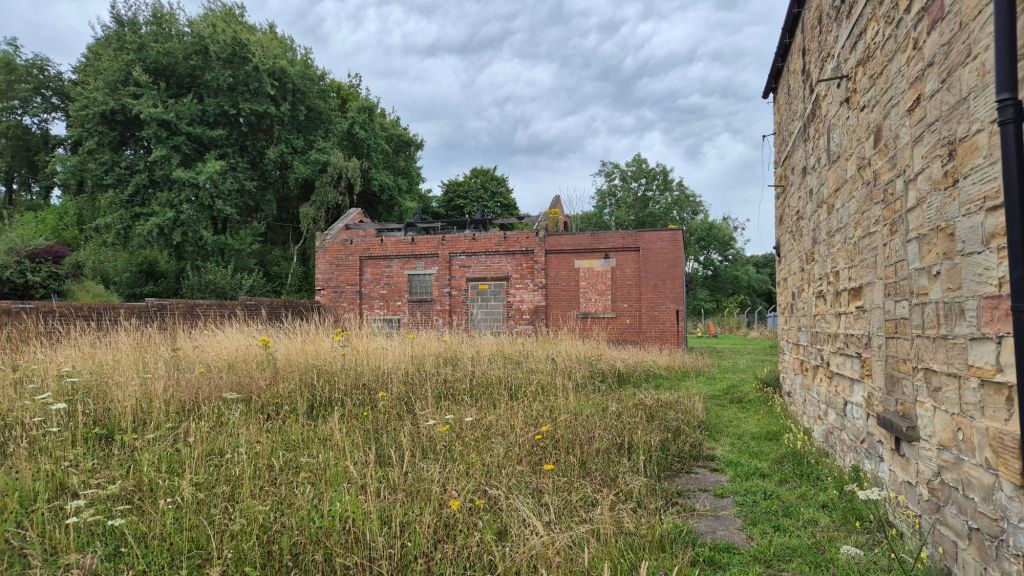
…and perhaps less happy feathers on the ground near the roofless switchgear building.
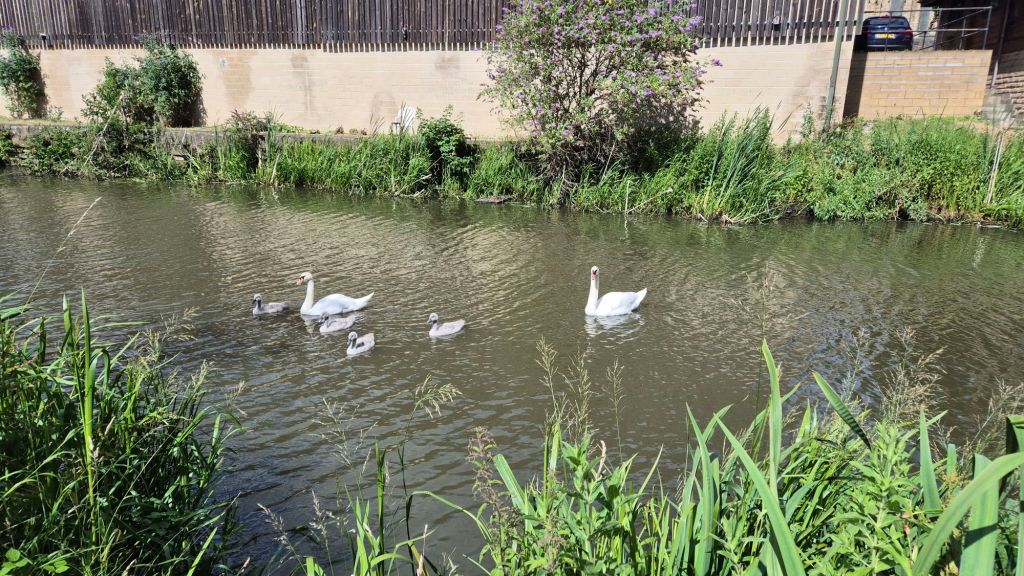
Nearby, up along the canal at Elsecar a young family of Swans with whitening plumage chased off the ducks to stake out their claim to well-fed territorial waters alongside the Trans Pennine Trail.
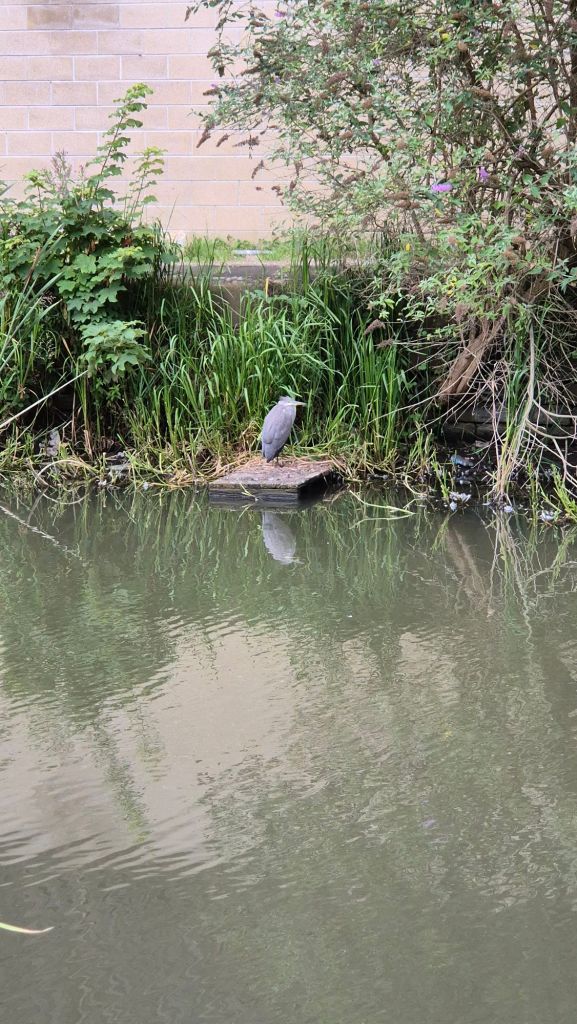
Wildlife is a constant blessing throughout the year – and as we reached August we see more regular visitors upstream in Elsecar.
Comings and goings

Bearing testament to the dedication of our regular volunteers through a rough patch of unseasonable weather, we count through the site visits:
- On 13th July Janet Jeff. Andy B, Paul R. and John.
- On 20th July Janet, Jeff, Paul, and John were joined by Site Manager Glen and FoHC Chair Steve.
- On 27th July Janet, Jeff and Chris were joined by John G. and grandson Harrison, exploring and photographing the site.
- 3rd August, Paul M., Janet, Jeff, Chris and Andy B.
- 10th August, Janet, Jeff, Paul R., Andy B. and John
- 17th August Paul M., Paul R., Janet Jeff, Andy B.
- 31st August Paul M., Andy J. and Chris

Dodging the drops

Work to repair and restore the site continued wherever the weather. Peeling railings were primed and repainted in dry spots before the rain returned.
Balsam bashing
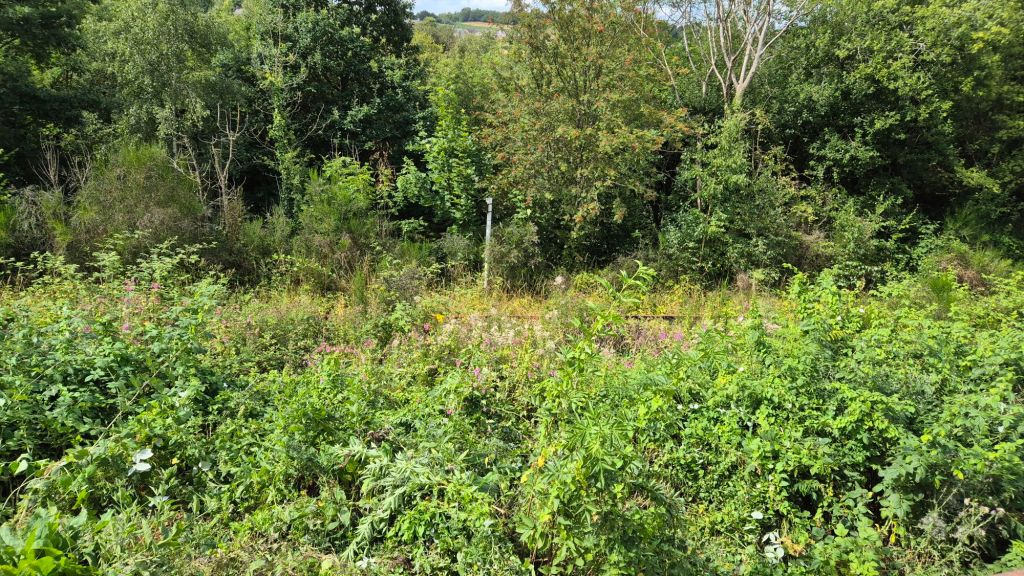
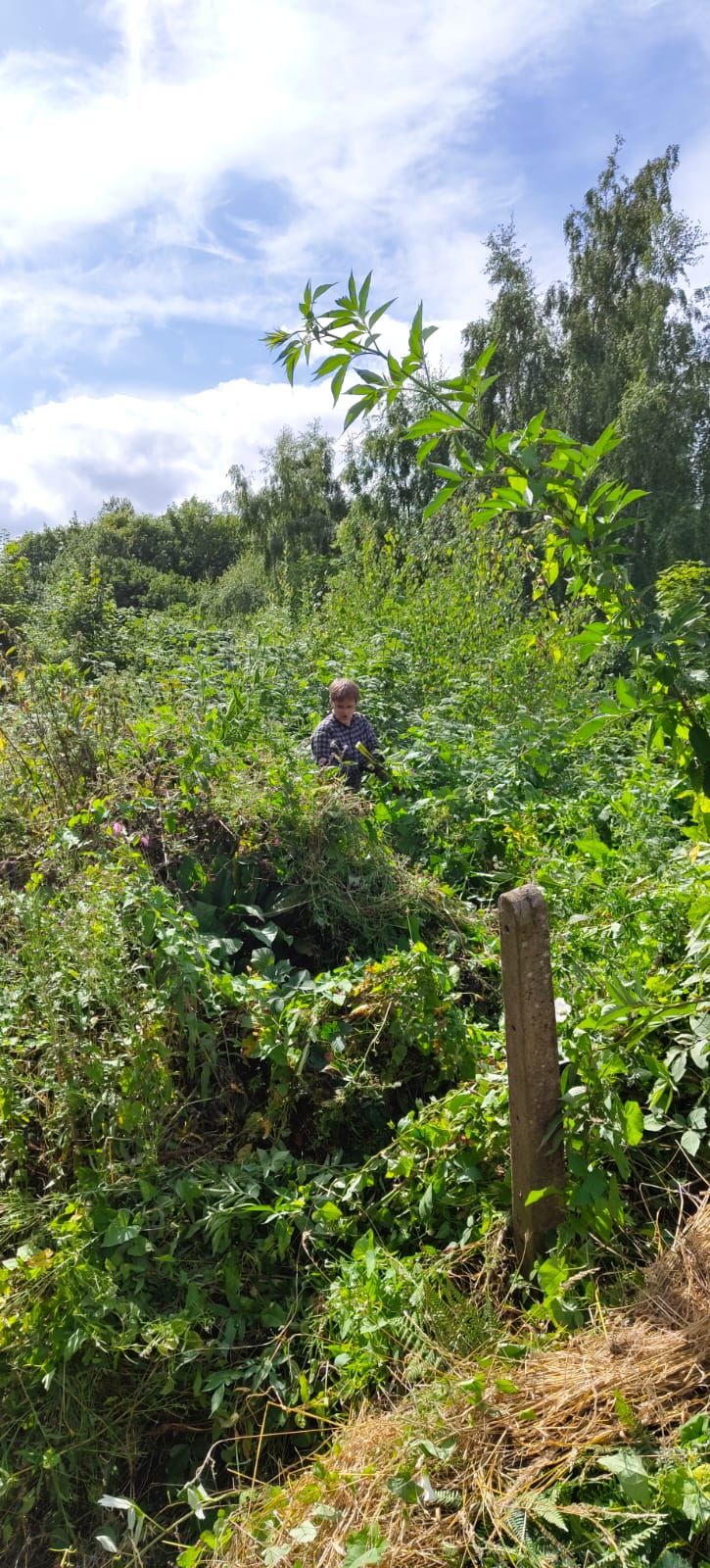
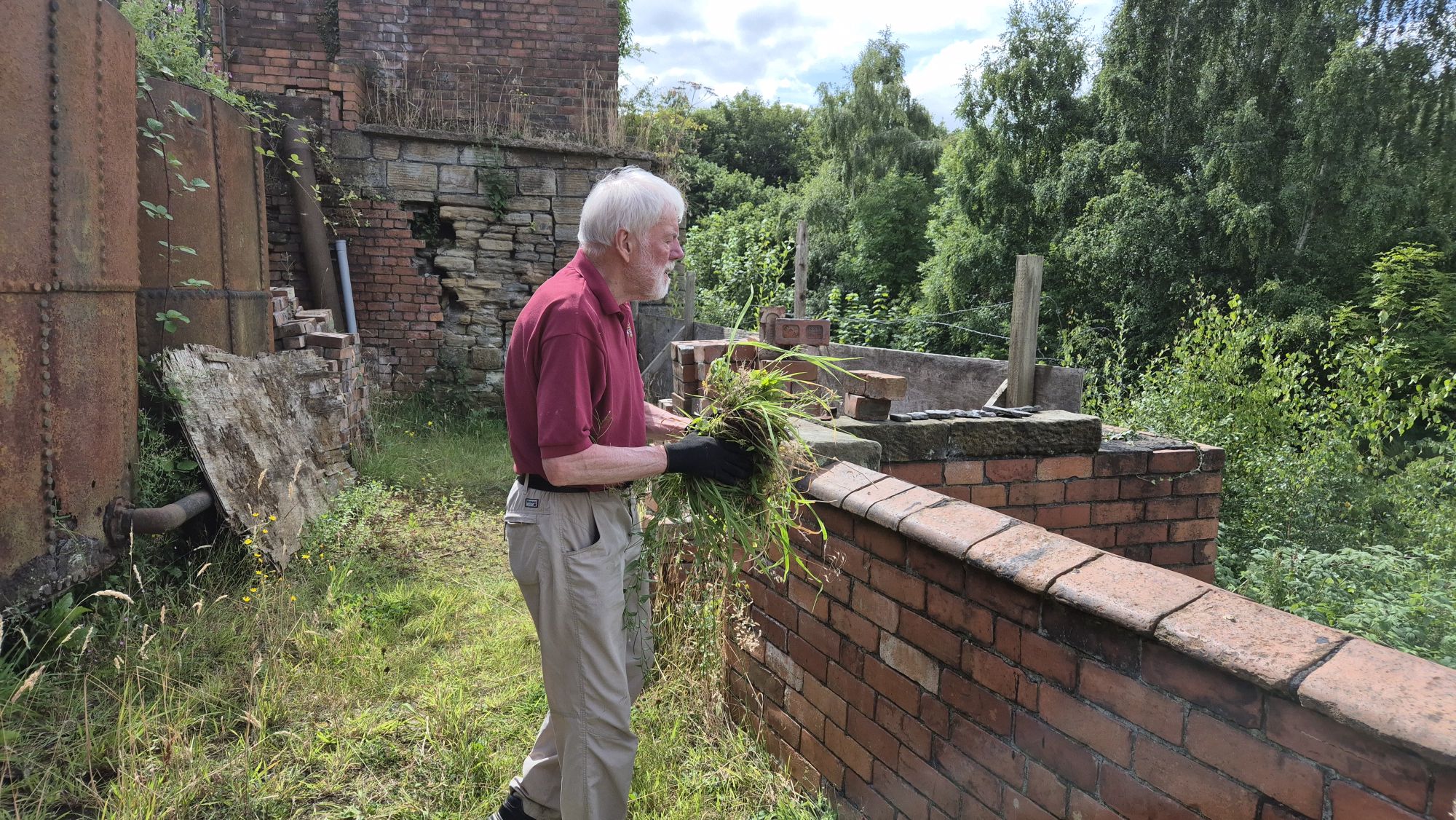
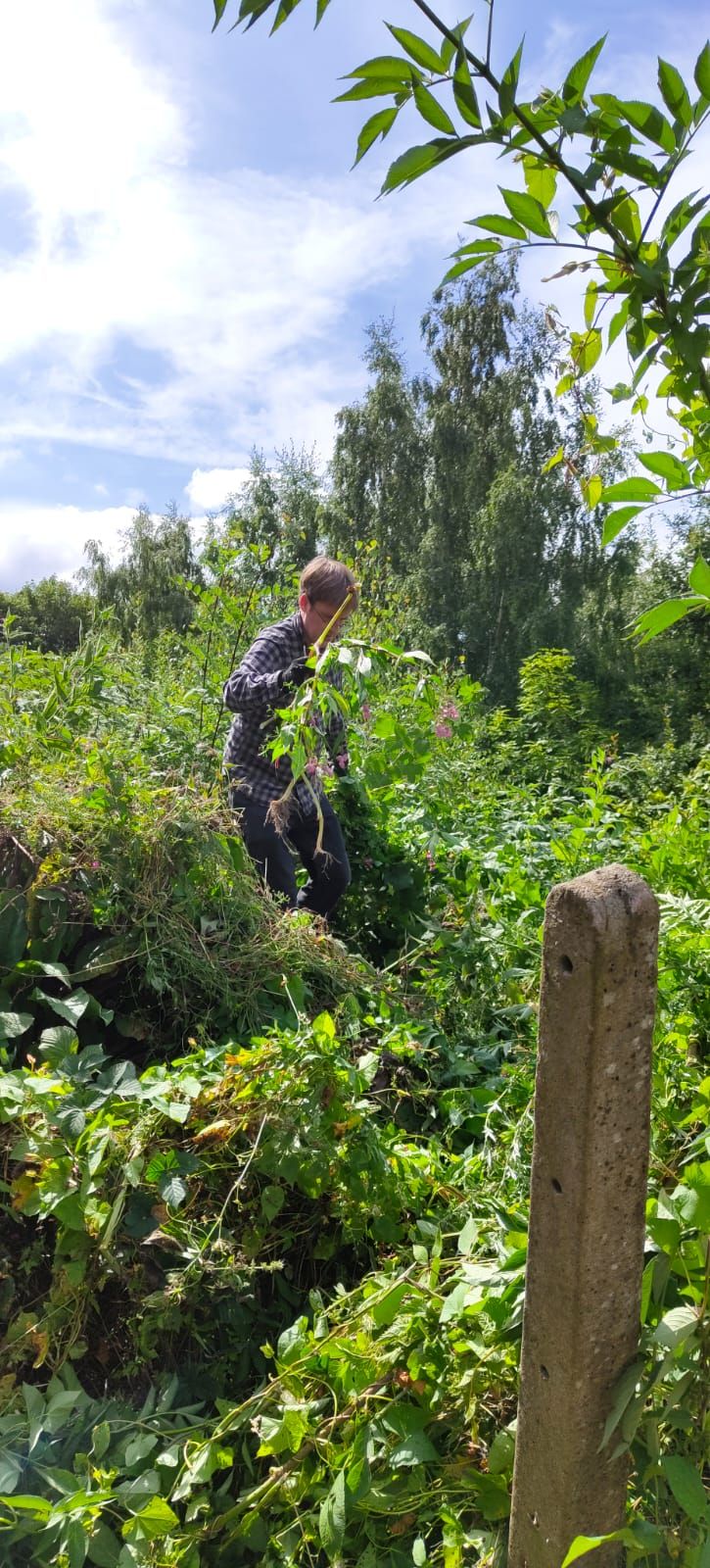
In August, with a season of work delayed on the rear retaining wall due to the variable weather, the time had gone for some emergency selective weeding; Himalayan balsam edging closer meant only one thing – time to get down and dirty (well mostly green).
Work ethic
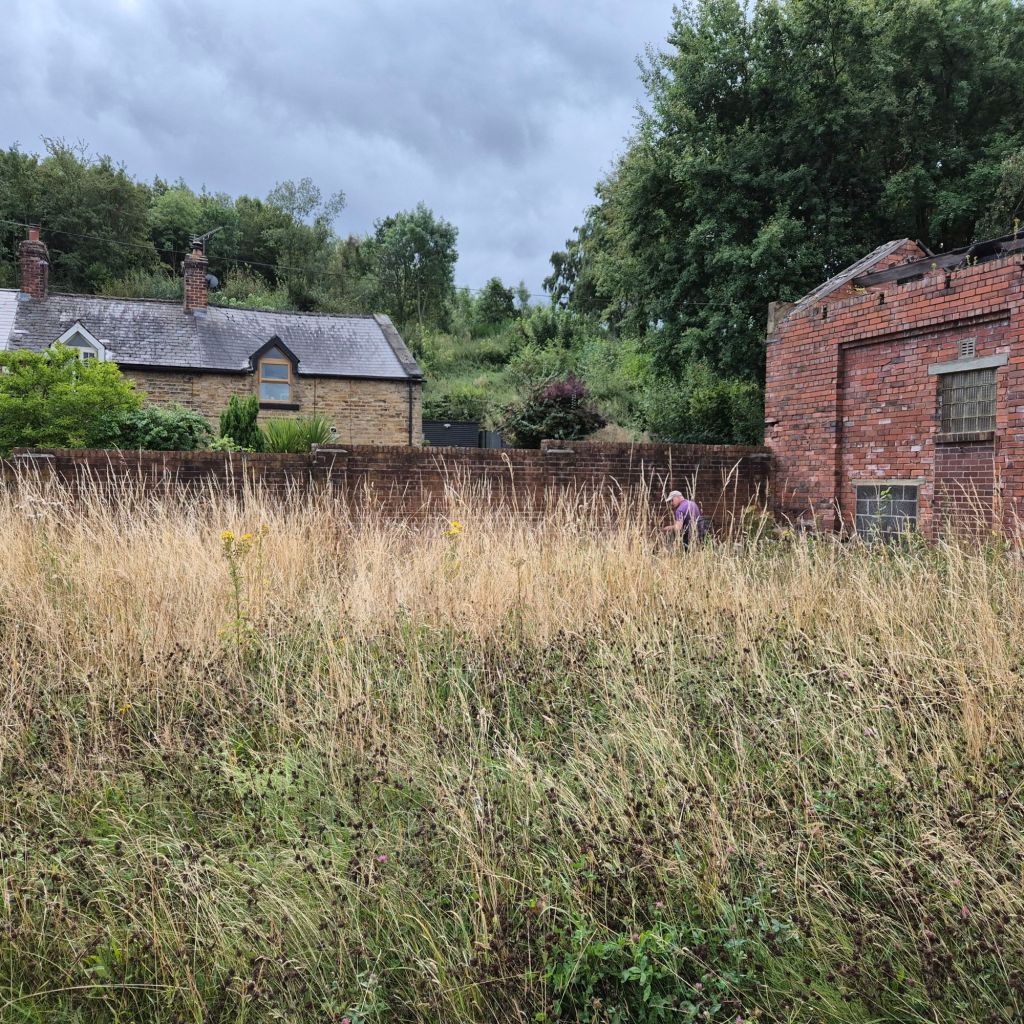
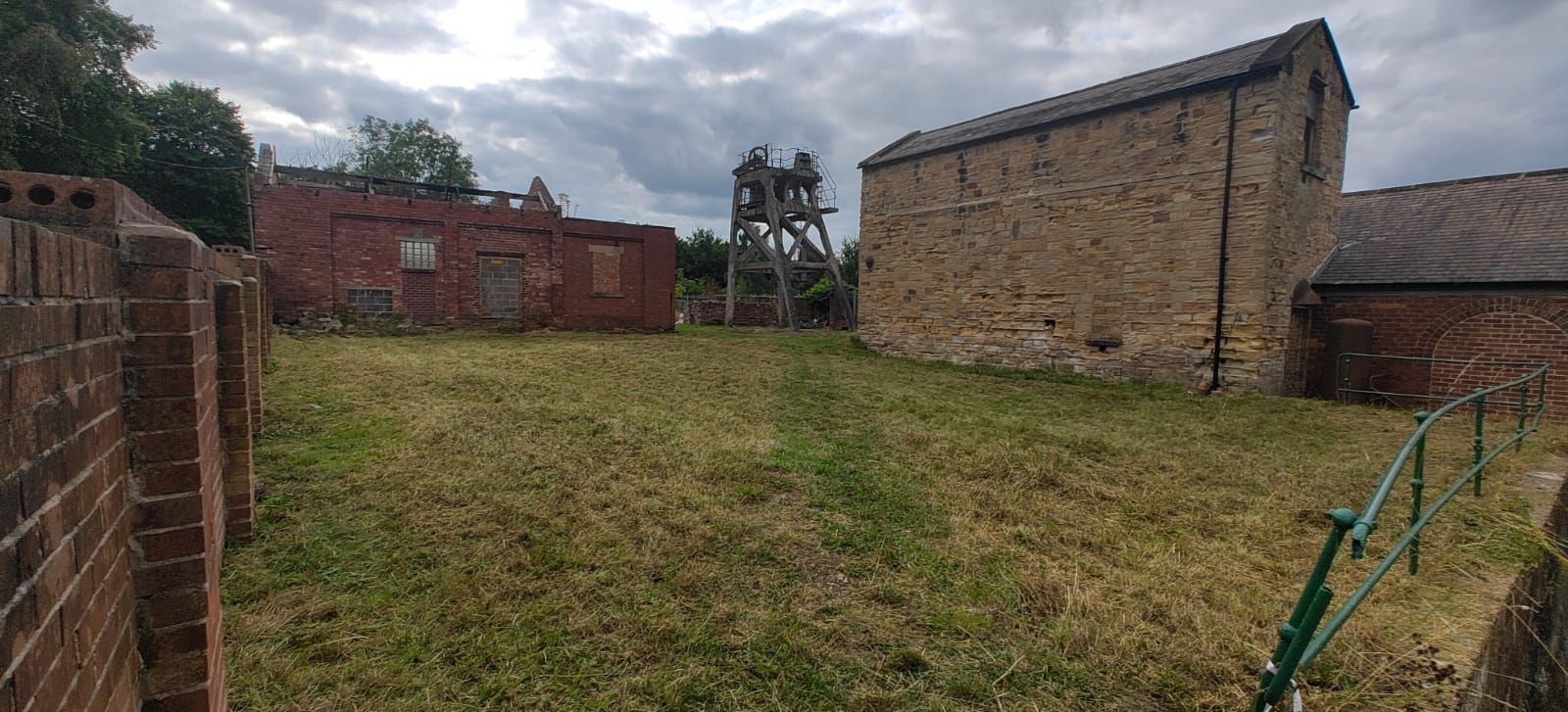
As August continued the Friends had an eye on the coming of September, of Heritage Open Days, and visitors on site once again, and so maintenance activities stepped up a gear.
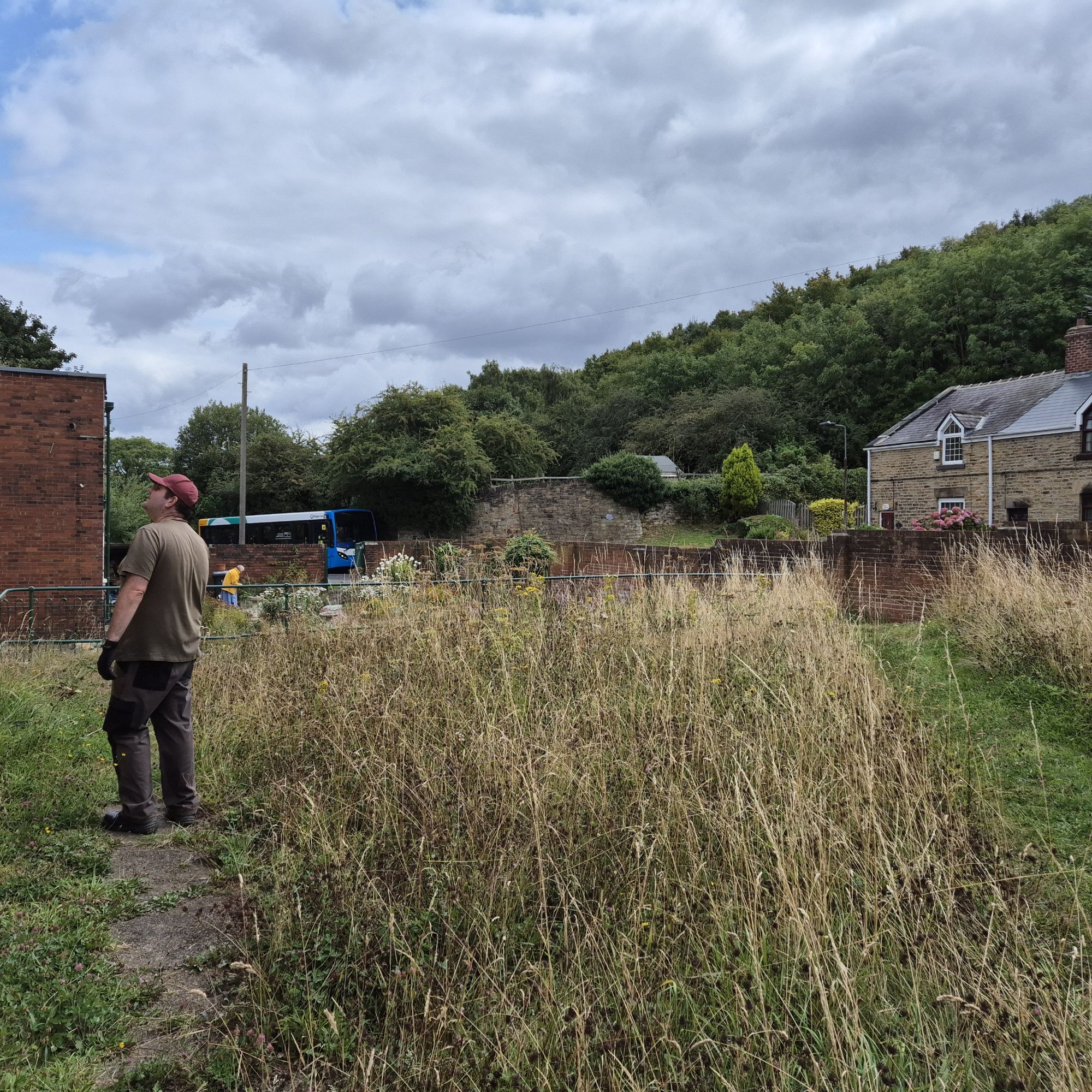
Mowing the thick grass on the top yard was an epic battle.
Meanwhile constant gardening continued at Pump House Cottage garden, and repointing the boundary wall before more wintry weather, and of course tidying up indoors and planning for site tours.

Special guests
July and August also saw a couple of special visitors. In July. Our thanks to local sign makers RC Graphix Ltd for giving us newly designed organising wipeboards for Pump House Cottage.
These will assist in provide news for volunteers and visitors alike, as well as helping us plan out events and future fundraising opportunities.
Testing times
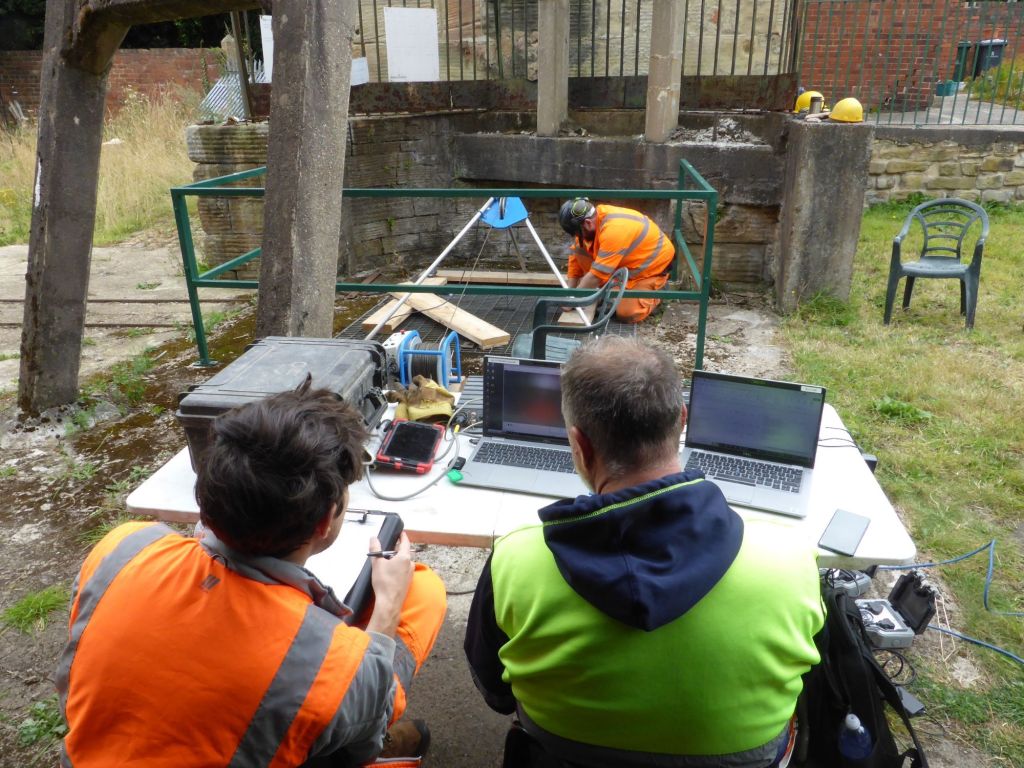
After a preparatory visit in July, on Weds 21st August 2024 Site Manager Glen and regular volunteers Paul R. and John were delighted to welcome contractors for the Coal Authority onto the site to do some depth and water sampling in the two flooded shafts.
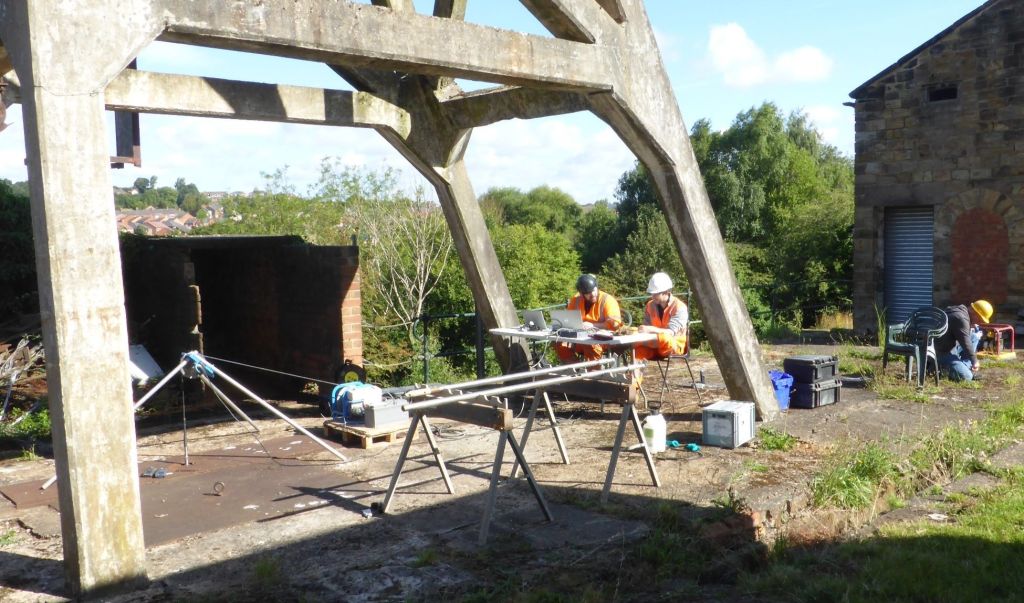
With a keen eye on our own shaft depth monitoring over the past decade, it was a pleasure to open the site to see how professional engineers survey the depth, conductivity, and condition of the flooded shafts. There will be more on these new investigations in the future.
But now for something completely different…
A Yankee in Yorkshire

One hundred and sixty-six years ago, in August 1858, a young mining engineer, a graduate student from Yale University arrived in South Yorkshire to learn more about the methods in use in English collieries.
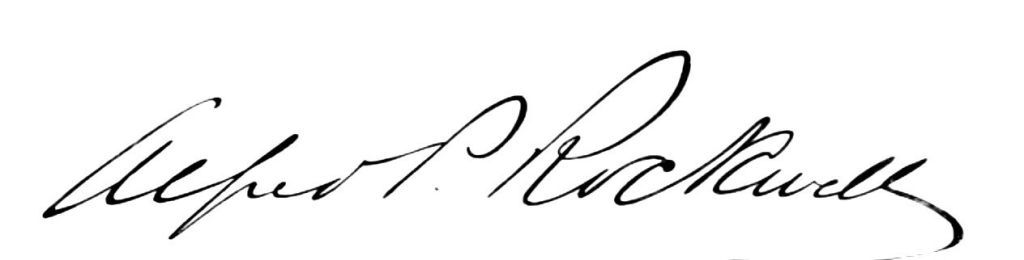
Alfred Perkins Rockwell (1834-1903) came from a prosperous Connecticut family, and had attended university at Yale, obtaining a undergraduate AB in 1855, before undertaking postgraduate study in applied Chemistry gaining an MA and PhB in 1858.
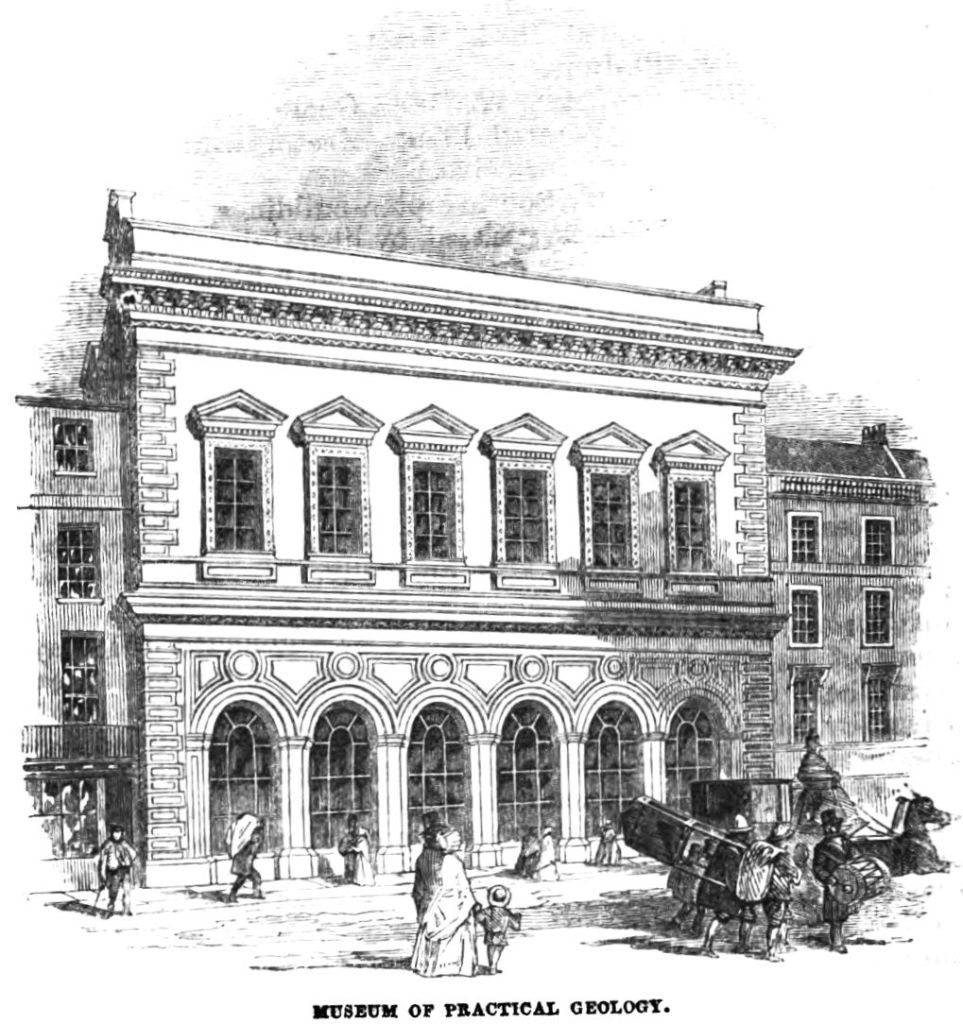
Finishing his studies, Rockwell set sail on a European tour on 14th June 1857. Arriving in England, he studied at the Museum of Practical Geology in London during 1857-8, listening to Dr John Percy’s lectures on Metallurgy in October and November 1857, and later travelling on the continent, to Germany, to study at the Freiberg mining school (Bergakademie Freiberg) 1858-59.
Studying the works
Between May and August 1858, he went on a tour of key coalfields in Yorkshire, the North East, and Scotland. During this time he passed through South Yorkshire, visiting important pits in Barnsley, including Lund Hill, Elsecar, Wharncliffe Silkstone, Mount Osborne, and the Oaks Collieries – 8 years before the calamitous disaster of 1866.
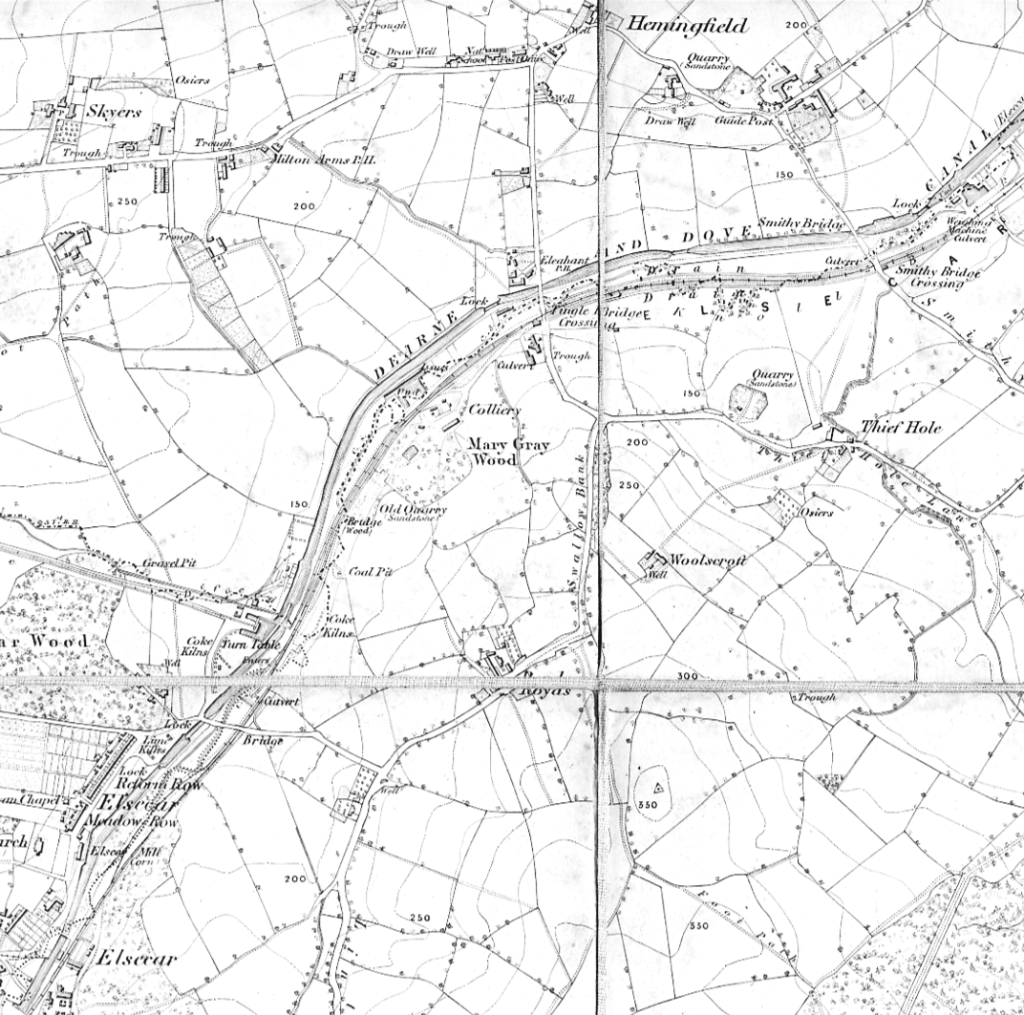
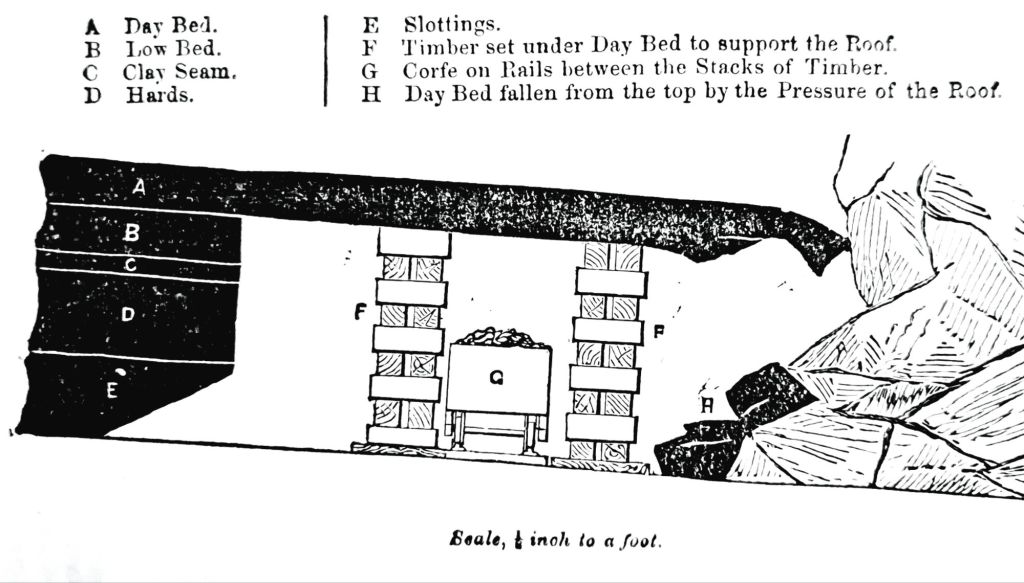
Taking notes and sketches of the shafts, working methods and machinery as well as costs of labour, housing and market rates, Rockwell studied British deep coal mining practice. At the Barnsley seam pits he also took sections of the strata and considered methods of underground haulage and ventilation.
Returning to America after February 1860, he later became a Professor of Mining Engineering at Yale, but not before volunteering to fight for the Union Army in the American Civil War. Serving as a 2nd Lieutenant from December 1861, then becoming a Captain in the 1st Connecticut Light Battery, his record of service later saw him progress to become a Colonel in the 6th Infantry Regiment of Connecticut Volunteers, and ultimately Brevet Brigadier-General.
From student to professor
Back in the United States, the Oaks Colliery disaster of 1866 was global news.
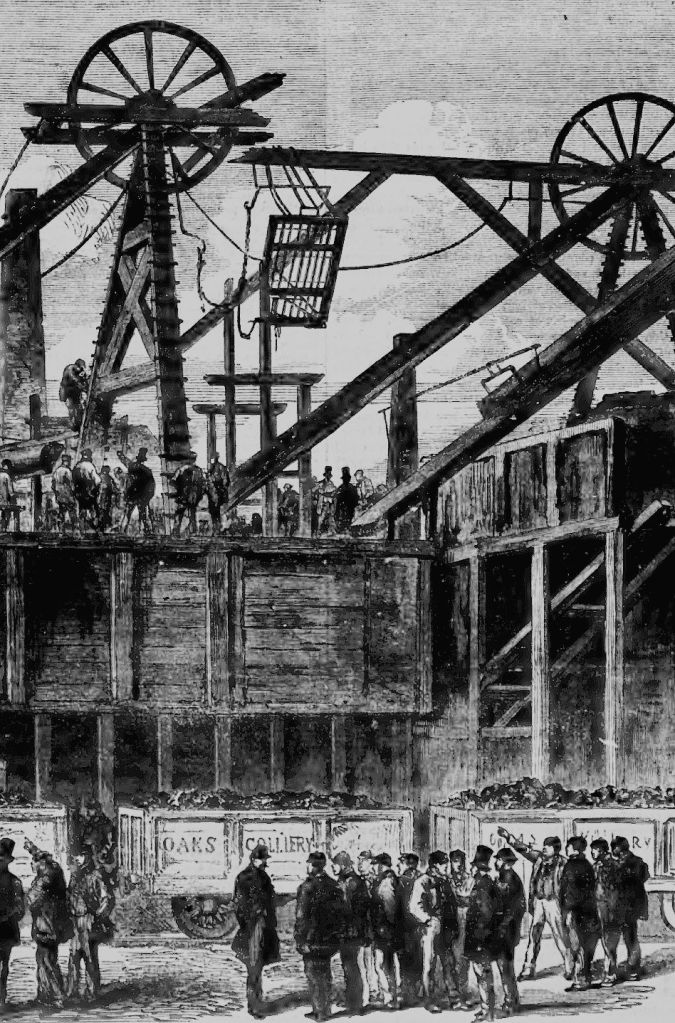
The then Professor remembered back to his visit years before:
“The writer, in the summer of 1858, spent some time at Barnsley, examining the ruins in the vicinity, and went underground at both the Lund Hill and the Oaks. Some facts in regard to their condition then may be of interest now.
At that time both mines had been placed under the care and supervision of John Brown, Esq., a thoroughly competent and skillful colliery viewer.
He had during that year introduced and carried out many improvements in the details of the management, and substituted the “Long Wall’ for the common Yorkshire mode of working the mines with great advantage every way.
He had also very much improved the ventilation by the increase and better distribution of the air current…
The Stephenson safety lamp was used throughout the works, and each lamp was locked to prevent the thoughtless miners from taking off the wire gauze and exposing the flame. In short, the writer feels bound to say, that the Oaks Colliery was at that time in excellent condition, and uncommonly well managed, the utmost care being taken to ensure the health and safety of the men, and guard against accidents, and especially against such a terrible explosion as that of Lund Hill, of the year previous. “
American Journal of Mining, Vol.II, No.14, 29 Dec 1866, p.218
Rockwell’s tour of the Barnsley coalfield provides a unique snapshot in time, of the struggle to go deeper and work more safely, but with no guarantees. He stopped by Earl Fitzwilliam’s Elsecar Collieries, particularly interested in the mechanical ventilation, the innovations of Benjamin Biram and later John Hartop, sketching the steam powered fans of Hemingfield Colliery.

 Friends of Hemingfield Colliery