Late March ran rapidly into into April as the Friends held their first full Open Day of the year in 2025: Easter Sunday. It was a lovely day, with perhaps the best of the Sunny weather over the long bank holiday weekend. But the volunteers had been kept busy in the weeks building up to the open day itself as you will see.

Once again we owe a huge thanks to South Yorkshire’s Community Foundation in supporting our activities on site, without them this year we would not have been able to hold an Open Day.
Voluntary wonders
At the end of March, Saturday 29th March 2025, regular volunteers Andy, Jeff and Paul were pleased to join others at Elsecar Heritage Centre for the volunteer taster session activities, including a litter pick around Elsecar along the TransPennine Trail, led by Gemma Clarke who recently completed the Building Bridges project.
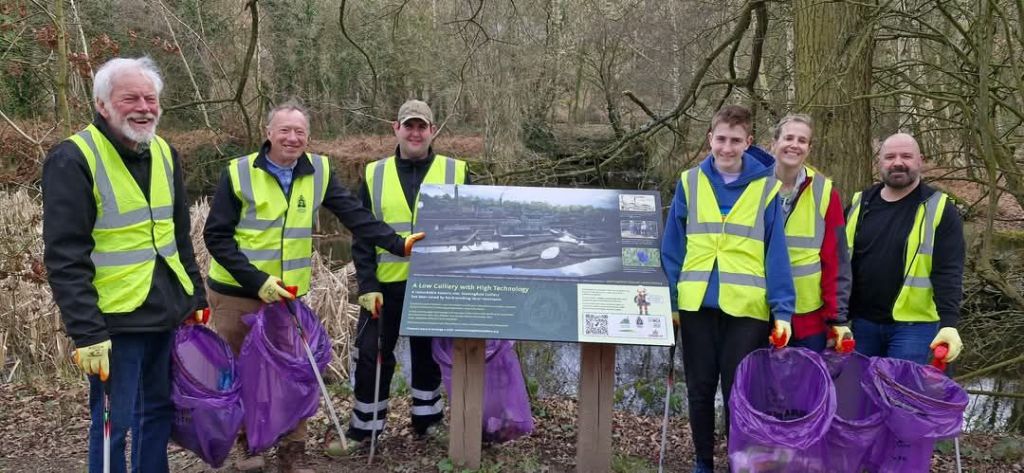
They also heard about the ongoing work the Heritage Centre’s staff are helping to arrange, including Skills & Employability support from Barnsley Council, delivered as part of Skills & Employability South Yorkshire, part-funded by South Yorkshire Mayoral Combined Authority working with the Government’s UK Shared Prosperity Fund.
Next on site on Saturday 5th of April, regular volunteers, Janet, Jeff, Paul, and John gathered to share some birthday buns and tidy up the site.
Preparations on site
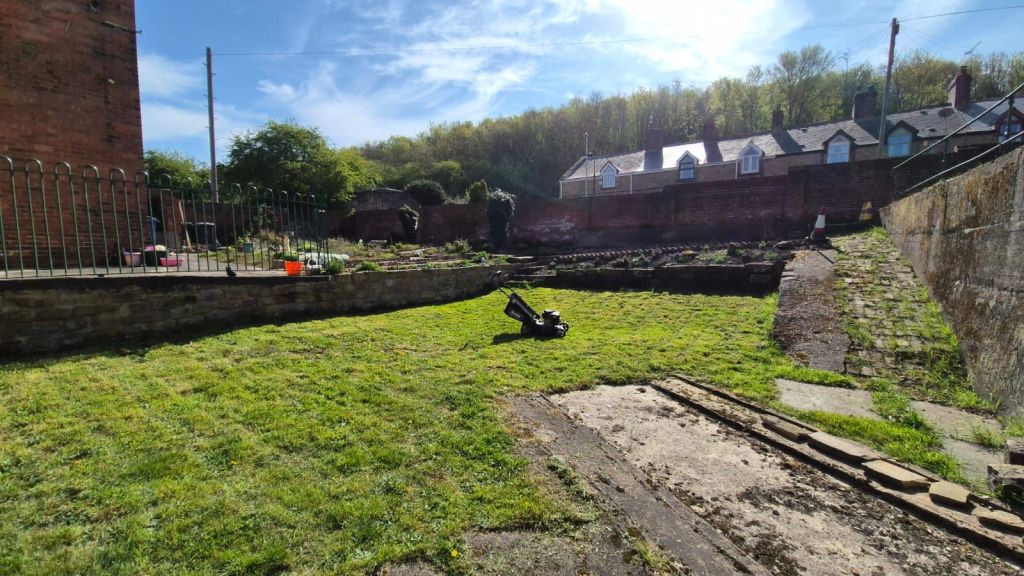
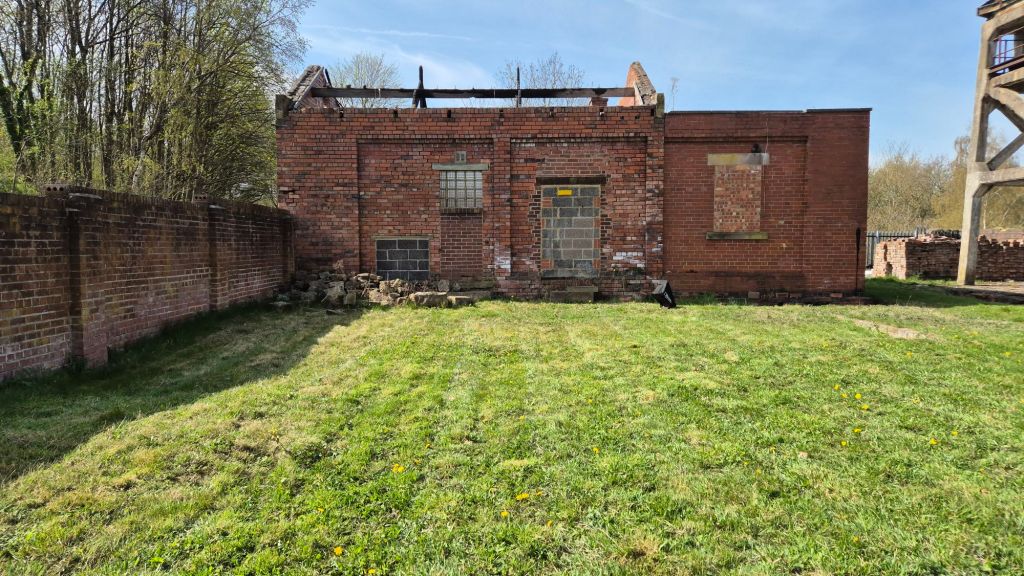
On Saturday 12th April, preparations continued on site, with good weather providing the perfect window to tidy the site up with a healthy dose of mowing.
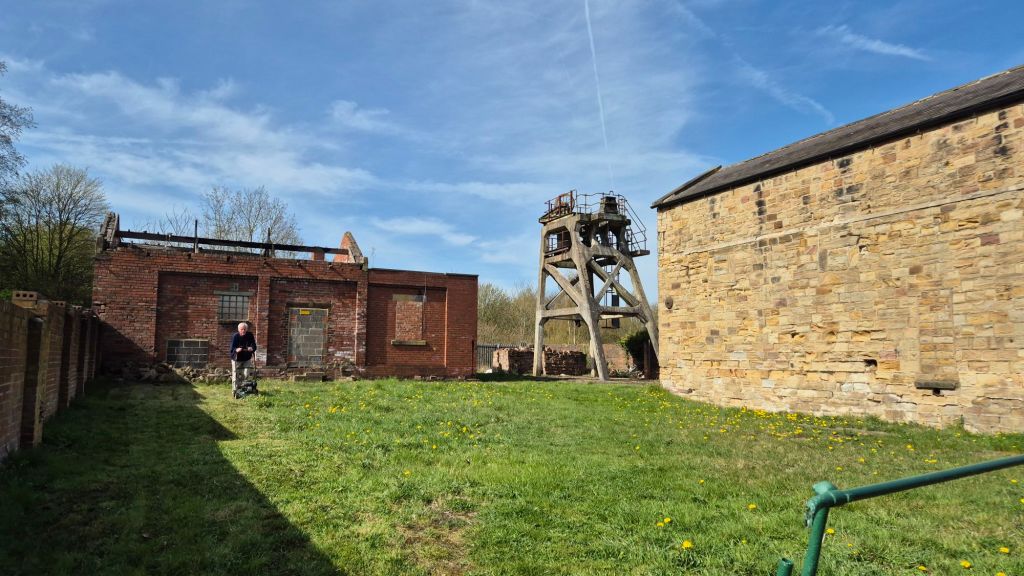
Regular volunteers Chris, Andy, Paul, Andy were joined by Director Glen during the day.
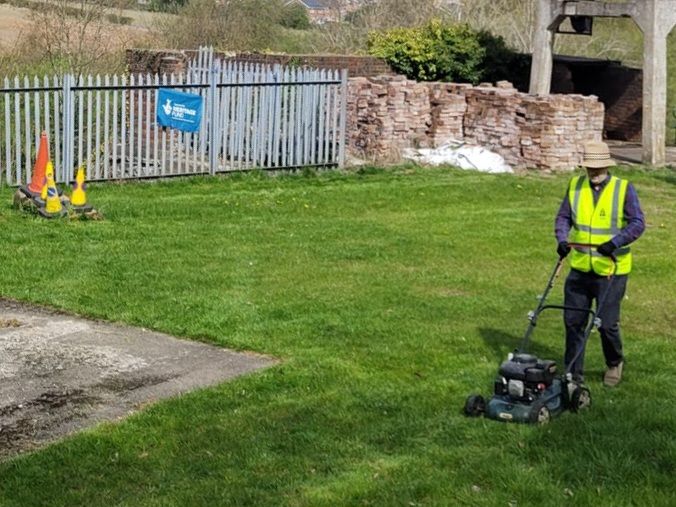
In between yanking the petrol mower pull cord, some tidying up also took place in Pump House Cottage, and our old art exhibition from 2023 was removed and stored, leaving the large exhibition boards blank ready to receive some new materials.
Homework
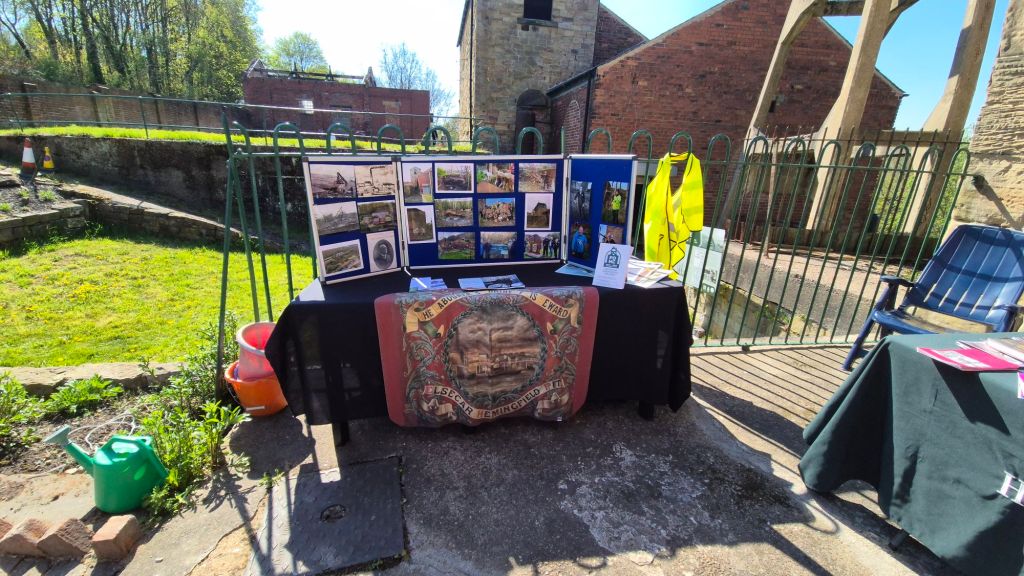
In the following days, leading up to Easter, the Friends prepared display materials.
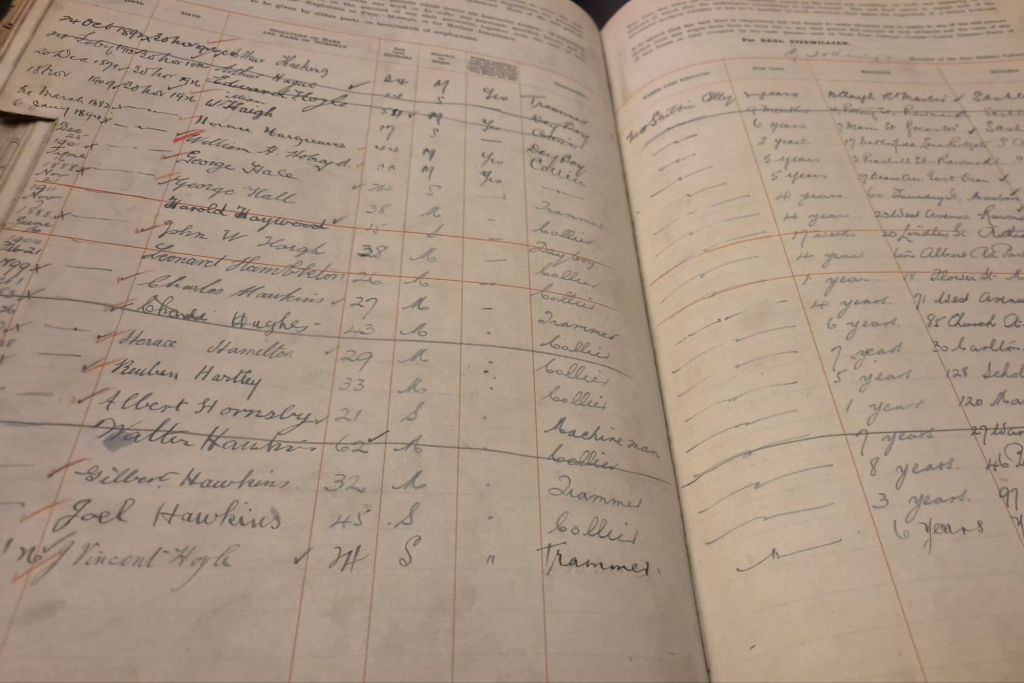
Including archive materials to display on site, together with some photographic and new poster materials.
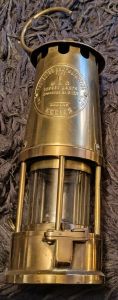
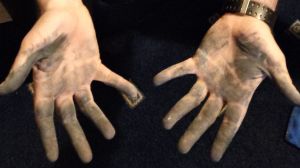
Not forgetting the mining artefacts held by the Friends and volunteers, including a regular display miner’s lamp – which takes some cleaning!
Eggcellant Activities
Bank Holiday weekend came around all too quickly, so the Friends and regular volunteers were on site early.
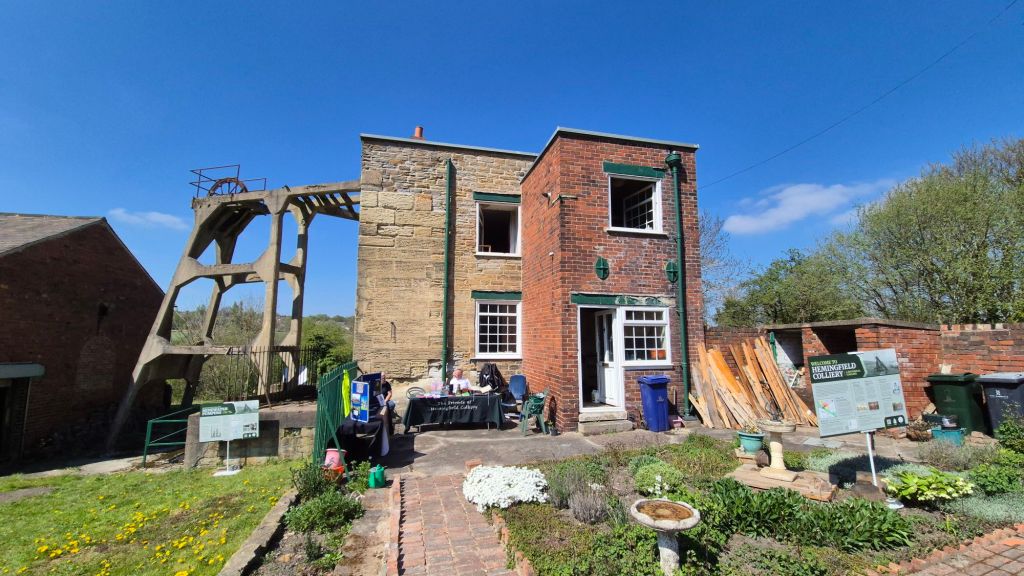
Paul, Janet, Jeff, Andy and Chris were joined by Glen as the tables were set up outside – the weather was perfect – dry and sunny.
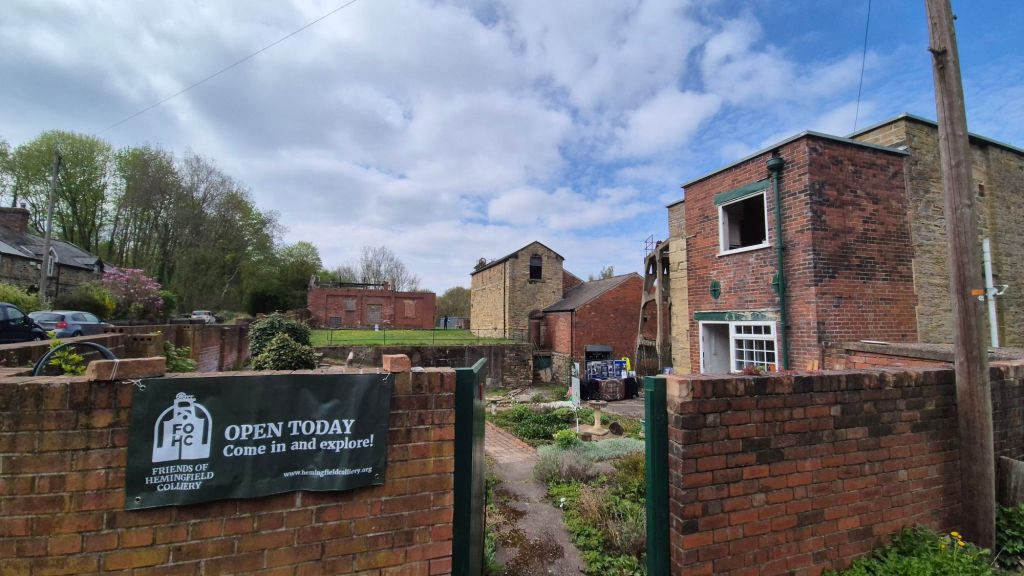
We were pleased to welcome over twenty visitors during the day, walking down from Elsecar, or up from along the TransPennine Trail.
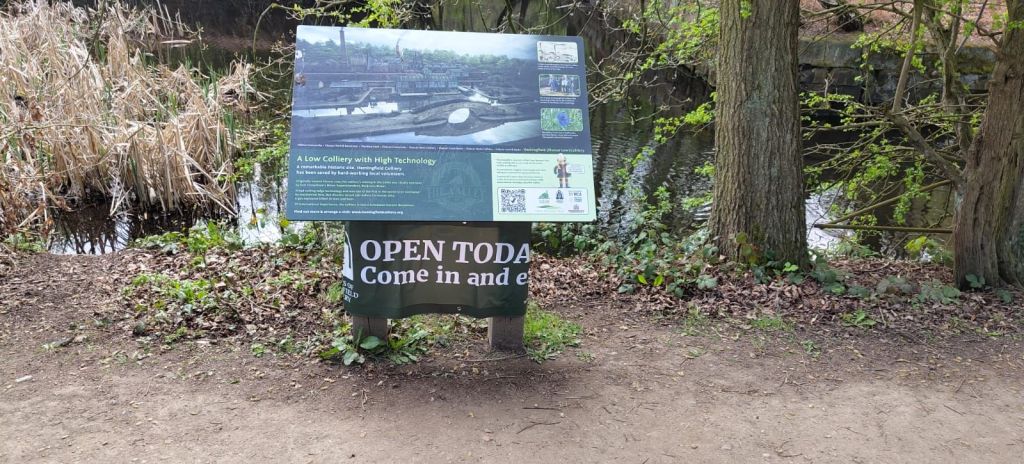
Visitors included a number who spent a couple of hours with us, on tours, reading the interpretation boards, or just sharing their own local knowledge and working mining experiences.
We were particularly pleased to hear more about a former occupant of Pump House Cottage from one visitor who explained how George Palmer came to Pump House Cottage in the 1970s, from working at Elsecar Main as a welder.
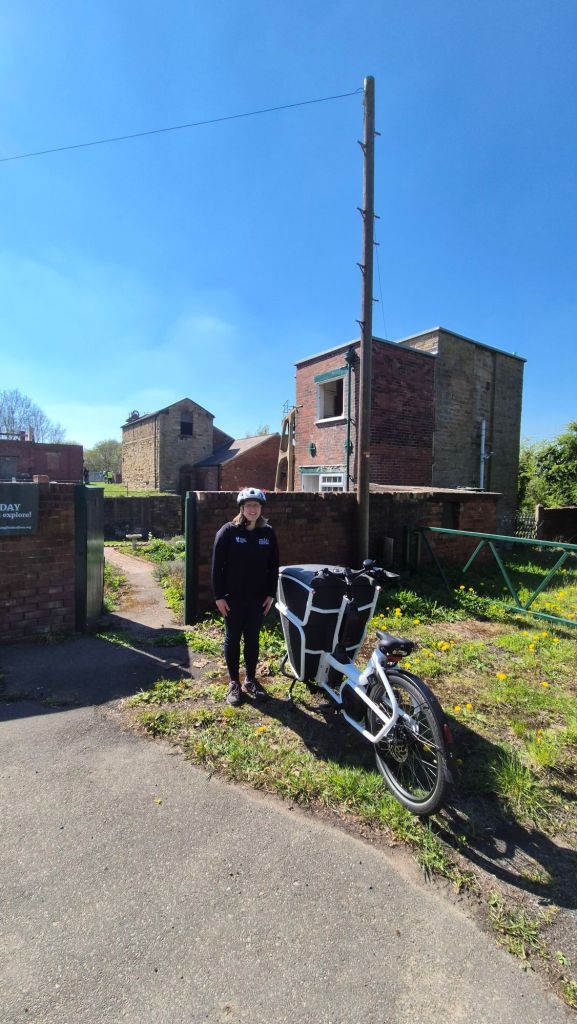
Later in the afternoon we were also pleased to welcome Gemma Clarke from Elsecar Heritage Centre, who visited our exhibition and updated us on what was happening with the volunteer programme at Elsecar, and discussed our shared plans for the forthcoming Heritage Open Days in September where we hope to be working with Barnsley Council, RSPB Old Moor and Doncaster Archives on a heritage exhibition.
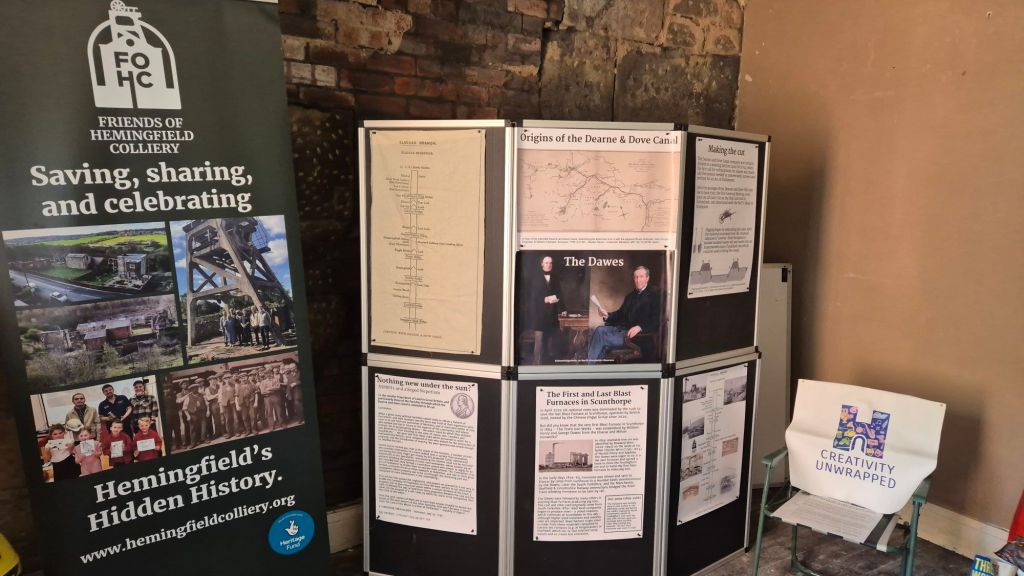
We hope to take feedback from our open days to improve the displays and activities planned. We’ve already started drawing up plans for Heritage Open Days in September which will hopefully be bigger and better than anything we have done before in what will hopefully prove to be an interesting programme.
Plimsoll Lines
Stepping back in time, thanks to some archival newspaper research from historian Brian Barber, we are able to share an article providing a fascinating insight into the commercial prospects of the South Yorkshire Coal Industry in the 1850s – the Railway Age, just when Hemingfield Colliery was getting into its stride, with coal traffic on the canal and mineral lines.
Making a mark: Samuel Plimsoll
The original paper “The Yorkshire Coalfield considered with relation to the export trade” was written by a celebrated if perhaps unexpected figure, Samuel Plimsoll, known as “The Sailors’ Friend”, yet his background perhaps made him just as much a coal trade advocate and expert.
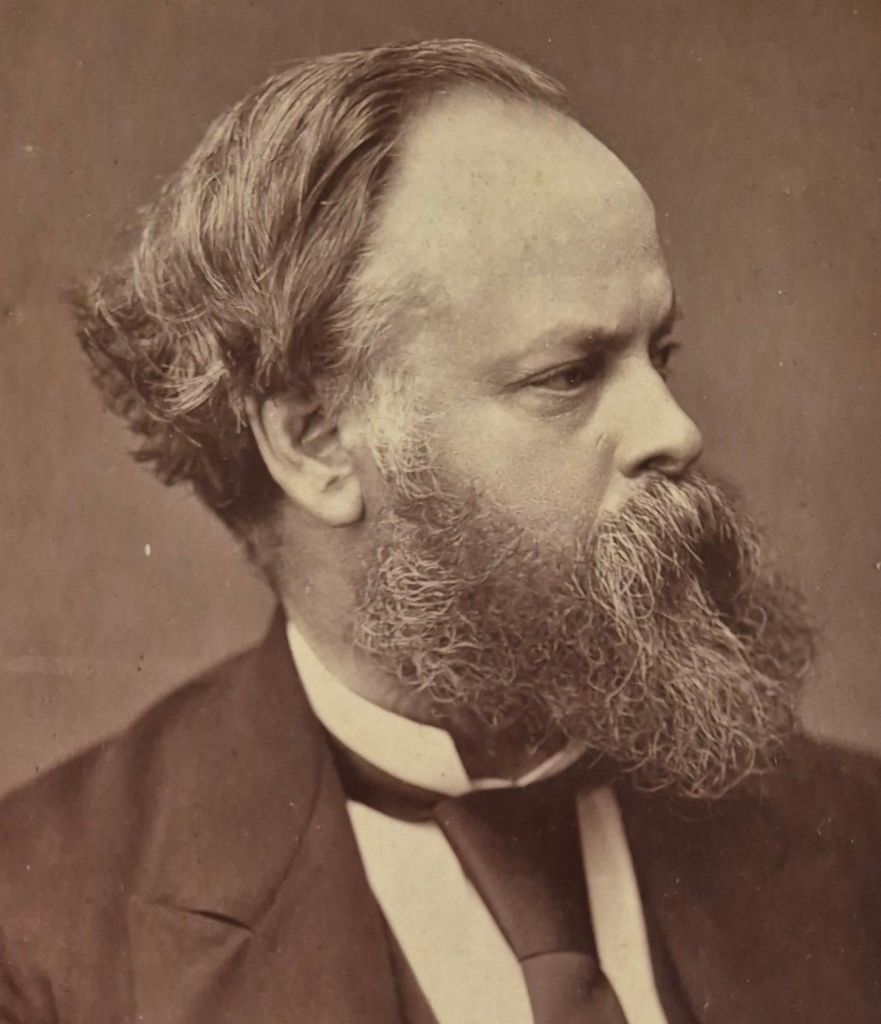
Samuel Plimsoll (1824-1898) is perhaps best known from his work in the late 1860s and 1870s when a Liberal Member of Parliament for Derby, arguing for legal reforms and countering vested interests to prevent disasters in commercial shipping. The dangers stemmed from unscrupulous owners and the unsafe loading of vessels, amongst other practices. As he wrote in what became a famous tract, Our Seamen: an appeal –
Now there are many hundreds of lives lost annually by shipwreck, and as to the far greater part of them, they are lost from causes which are easily preventible. I may say farther, that they would not be lost if the same care was taken of our sailors by the law as is taken of the rest of our fellow subjects. A great number of ships are regularly sent to sea in such rotten and otherwise ill-provided state that they can only reach their destination through fine weather, and a large number are so overloaded that it is nearly impossible for them also to reach their destination if the voyage is at all rough.
(Plimsoll, S., Our Seamen: an appeal, London Virtue & Co., 1873)
His campaigning work, though frustrated several times as he was not always popular with his own party colleagues, was successful. He was dogged in pursuit of his goals, which culminated with the passing of the Merchant Shipping Act of 1876.
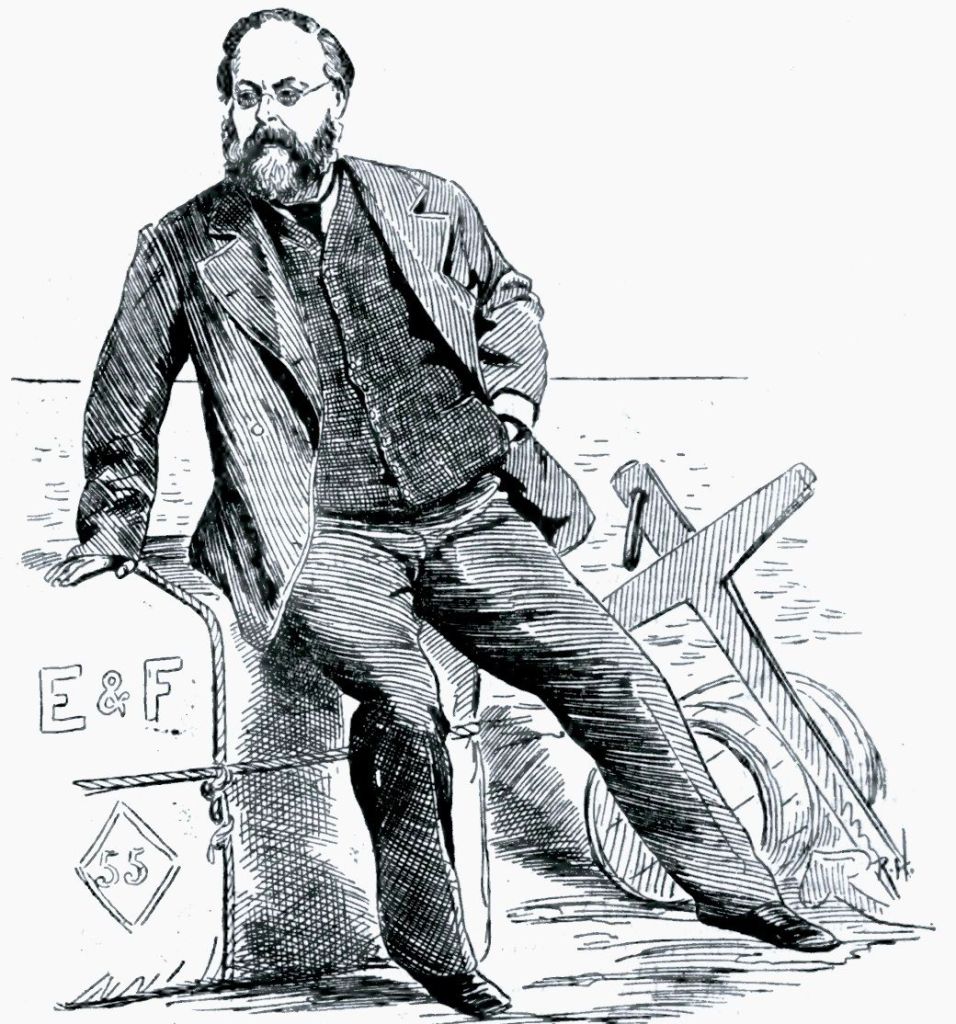
His name is now most famously associated with the ‘Plimsoll Line’ or mark, loading or lading line, indicating safe loading limits for ships – i.e. paraphrasing the statute: ‘a mark upon each side amidships, or as near thereto as is practicable, in white or yellow on a dark ground, or in black on a light ground, a circular disc twelve inches in diameter, with a horizontal line eighteen inches in length drawn through its centre. The centre of this disc shall indicate the maximum load-line in salt water to which the owner intends to load the ship for that voyage‘.
He did not invent the line. But his advocacy got the technical suggestions from others, from the insurers at Lloyds Register to conscientious North East Coast shipowners, over the line to convince and cajole the government of Disraeli to change the law in order to save lives.
Closer to home
However, it is less well known that Plimsoll had very strong South Yorkshire coal mining commercial and industrial connections. Though born in Bristol, his father Thomas Plimsoll had moved to Sheffield for work as an excise officer in 1838, and Samuel and his siblings were brought up and actively employed there, and their father’s early death meant Samuel was responsible for jointly supporting his family from the age of 16. As he himself put it:
My father came here when I was fourteen years of age, and I did not leave it until I was thirty. I went to school in Sheffield; I commented with and lived in Sheffield. If I afterwards removed to a distance it was because I was desirous of getting wealth, as a condition of devoting myself to pubic service.” (Quoted by Odom, W., Hallamshire Worthies, J.W.Northend, 1926, p. 233).
From beer to boats
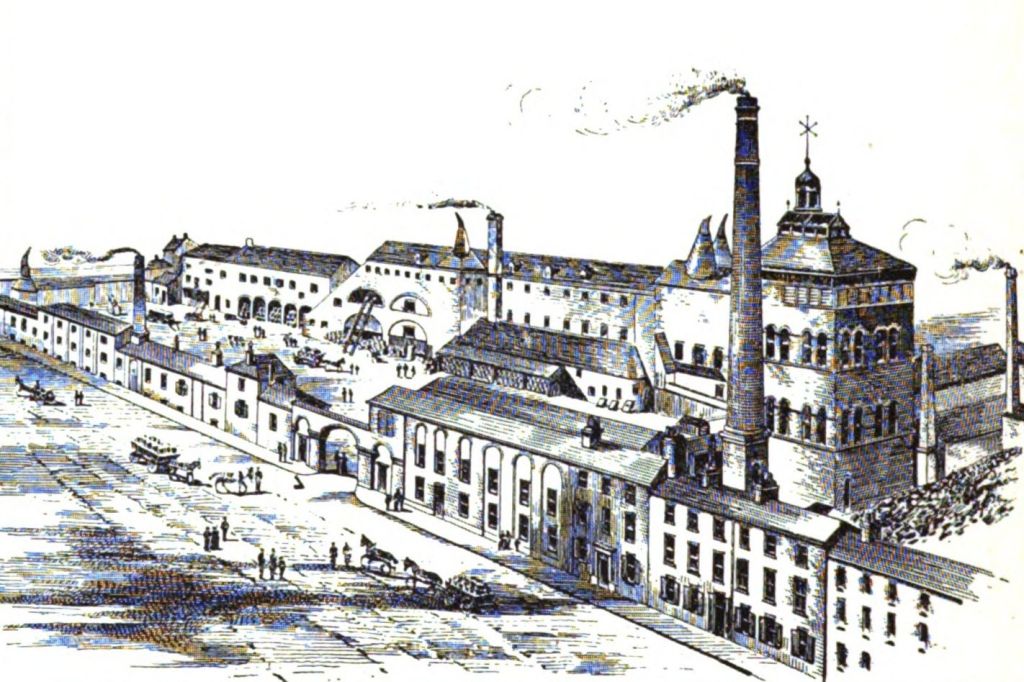
Samuel worked as a solicitor’s clerk and then clerk for Thomas Rawson & Co – a large brewery at Pond Street, Sheffield. It was there that he encountered Thomas Birks, later Mayor of Sheffield who encouraged the young Plimsoll. In later life Plimsoll became a Temperance advocate.
He was an enterprising individual and natural activist with Liberal politics in the age of Chartism and wider Parliamentary Reform. He had gained further commercial experience in London with his brother Thomas who worked as a coal merchant, but Samuel first brought his skills to bear in South Yorkshire, being sought out as a speech writer by Birks when Mayor of Sheffield, and under his Chairmanship, acting as honorary secretary for Sheffield’s contributions to the Great Exhibition of 1851.
Later he spoke out as an advocate for Yorkshire coal owners against monopolistic practices from sea coal and railway access to the coal markets in London, where the South Yorkshire Railway Company clashed with the Great Northern Railway Company. Confrontation between coal owners and the GNR led to legal action preventing GNR acting as its own London coal merchant at Kings Cross, thus opening up the market somewhat in the 1860s.
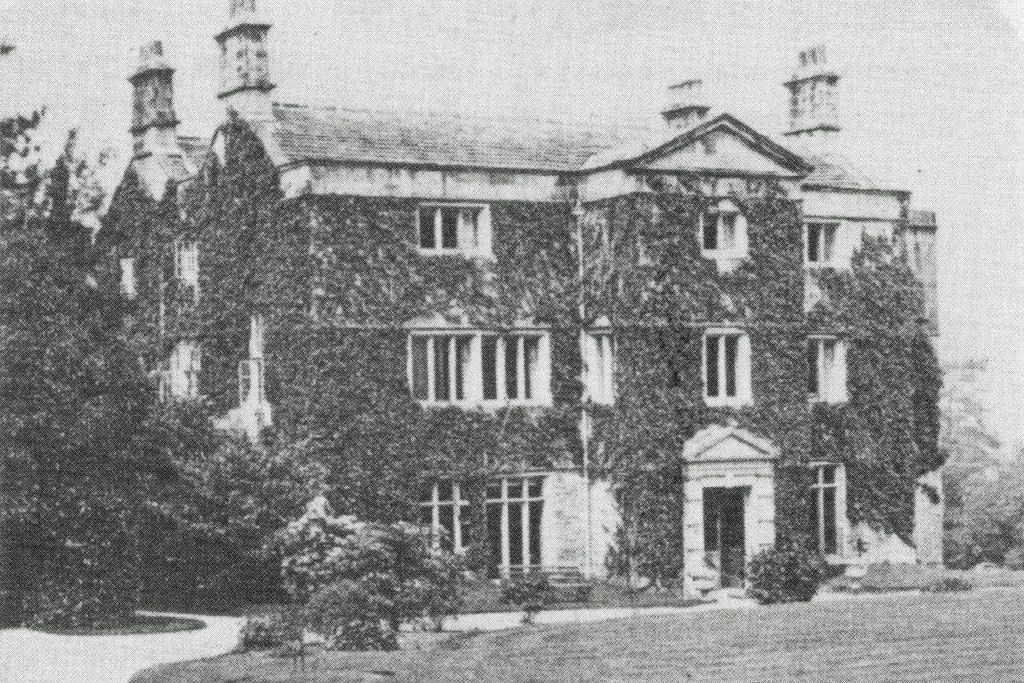
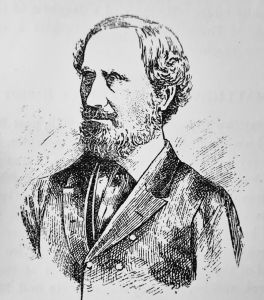
By 1864 Samuel was the tenant residing at Whiteley Wood Hall in Sheffield (a 2nd home to his London residence). His sister Ellen Plimsoll married Rev Dr Frederick John Falding M.A., D.D. (1818-1892) who became Principal of Rotherham Independent College at Masbrough, later the Yorkshire United Independent College, at Bradford. Dr Falding was very active in Rotherham civic life in the 1860, 70s and 80s, with the Rotherham Hospital, Literary and Scientific Society, and the School Board. He and his wife were closely connected with the Plimsolls.
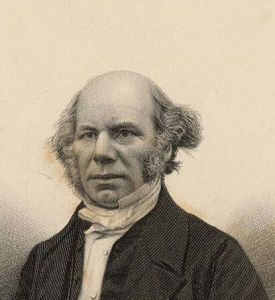
Plimsoll himself had become closely associated with the Coal & Iron concerns at Thorncliffe with Messrs Newton Chambers & Co., as he married Eliza Ann Railton (1830-1882), the step-daughter of John Chambers from his wife Elizabeth Railton (née Newton)’s first marriage. The Chambers lived at Belmont, Chapeltown. The young couple, Plimsoll-Railton marriage took place at Ecclesfield Church.
Eliza would become a key supporter in Plimsoll’s political campaigning work, in public and with the Press from the Ladies Gallery of the House of Commons in Parliament.
As well as trade matters, Plimsoll was also hands on and inventive- his London coal merchant business leading him to advance patents on coal handling for railways and canals, using lessons learned in receiving coal on railway wagons at Kings Cross, before purchasing land himself and establishing a coal depot of his own design, avoiding coal being dashed to pieces as it was transferred from rail to cart or barge.
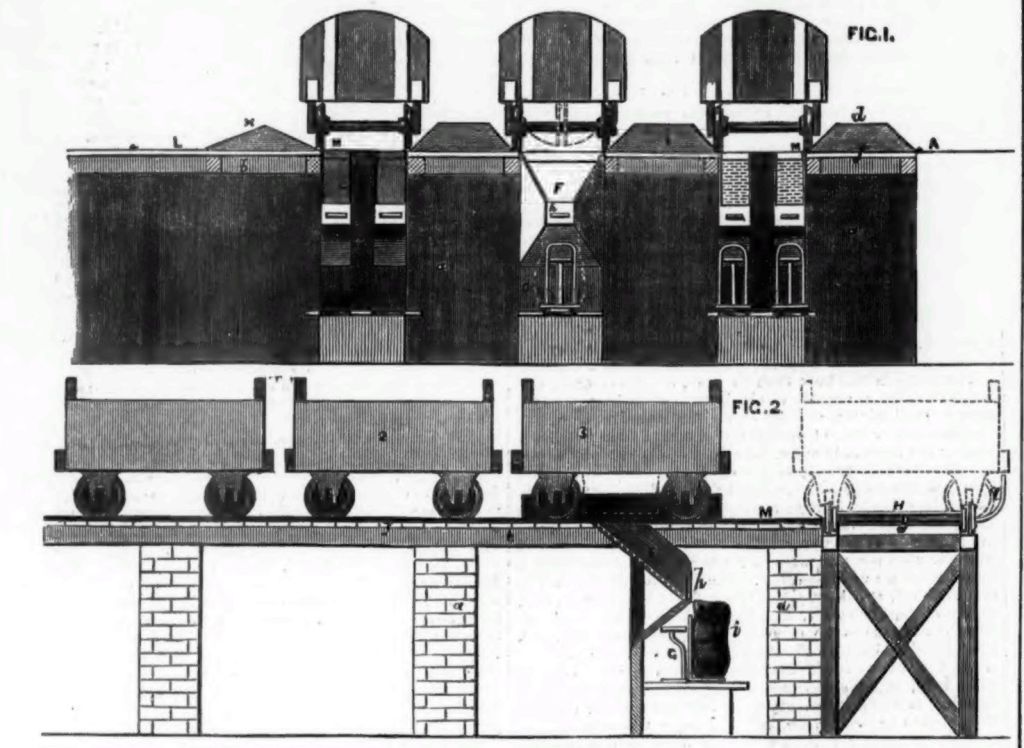
He had a somewhat rocky early career as a coal merchant, becoming bankrupt, before re-establishing himself in business with support from his father-in-law Chambers and their London coal distribution requirements. His connection with miners and mining grew at that time.
After seeking, he finally joined parliament in 1868 with a seat in Derby, but only after failing at the first attempt in 1865. He was reelected in 1872. Much attacked for his combative manner and argumentative exaggeration, his Sheffield Parliamentary colleague Anthony John Mundella did not much rate his speech-making abilities.
Nevertheless, in the commercial sphere he had obtained an exceptionally detailed knowledge of the South Yorkshire iron & coal industry, and wrote on industrial topics with letters to The Times. In 1856 he had been sent out to Brussels to the International Free Trade Congress, held in September 1856 to speak for the Yorkshire coal trade, for which he wrote:
I cannot forbear calling attention to the well-established fact that an abundant supply of coal and iron are essential to any great degree of prosperity; that their free circulation and transit are, therefore, of the utmost importance to all concerned, especially to the consumer.
This is evident when we consider the prosperity of England, and still more when contrast the rate of progress which has obtained in those towns situated in England, upon the coal fields and those at a distance from them; for while the former have doubled and trebled, and even quadrupled their respective populations, even in the present century, and have enlarged their commerce in even a greater degree, the latter have in no instance scarcely, increased, either in commercial or numerical importance, but in very many cases have retrograded alike in both.
Samuel Plimsoll, Sheffield Daily Telegraph, 6 Feb 1857, 3 cols. 3-5
His 1856 paper on the coal trade of South Yorkshire provides much fascinating detail on the companies, connections and business prospects of the trade. We will return to it in detail in future, but in essence it had 3 parts all linked to the business potential of South Yorkshire Coal:
- The Quality of the local coal seams.
- The Quantity of the local coals that could be supplied for shipment.
- The Means and commercial Costs of Transit to port, and the subsequent shipment or re-shipment.
Quality & quantity
On the Quantity, he provided an excellent survey of the whole coalfield in the mid 1850s which bears reading in full:
Taking that part only of Yorkshire which is called the South Yorkshire district, and those pits only which are upon the railway of that name, or accessible to Hull by water, we find the following pits:-
The South Yorkshire Railway extends from Doncaster to Barnsley, and has three small branches;The first leaving the main line, near Wombwell, for Elsecar, where it terminates. Upon it we have the Lund-hill colliery (nine foot bed), belonging William Taylor, Jun., and Co., who own also the Brampton and Cortwood pits (Wath Wood seam). Then the five large collieries belonging to Earl Fitzwilliam (nine foot bed), called Lord’s pit, Jump, Upper, [Simon] Wood, and Hemingfield. Next the Hoyland colliery, belonging to Day and Twibell. This branch of the railway also extends by private rail through Tankersley-park to the Park-gate pit, belonging to Newton, Chambers, and Co. (Park-gate bed).
Returning by the main line we reach Aldham Mill, and taking the Blackburn Valley branch, which leads to Sheffield, we have first a large colliery belonging to Messrs, Roberts, Baily, Bartholomew, Dymond, and Baxter. This is called the Wombwell Main colliery (nine foot bed). Further on, the High Royd (nine foot bed), belonging to Messrs. Hall and Stones; then the Wharncliffe Silkstone Coal Company (Silkstone five foot and Park-gate seams) ; and next the five collieries of Messrs. Newton, Chambers, and Co., of Chapeltown (Silkstone seam).
Again, returning to the main line, and pursuing the Worsbro’ Dale branch, we come first to the Edmund Main colliery (nine foot bed), Messrs. Mitchell and Bartholomew;
2nd, the Darley Main (nine foot seam), Jarratt, Jeffcock, and Co.;
3rd, the Worsbro’-park collieries (the Silkstone bed), Field, Cooper, and Foulds;
4th, the Strafford (Flockton and Fenton seam) colliery, Carr and Smith
5th, the Dodsworth colliery (Parkgate and Fenton seam), Messrs. Charlesworth; and lastly, the Old Silkstone pits (Silkstone seam), Mrs. Clarke;and returning a third time almost as few miles in this rich and beautiful district to the main line, and going towards Barnsley, we come upon the Oaks colliery (nine foot bed), belonging to Timothy Marshall and Co.
These collieries only (and they are but part, though a large one of the whole) are now sending down the South Yorkshire line to Doncaster 15,000 tons weekly. A nearly similar quantity is loaded into barges and other river craft, for the ports on the Humber; and a large quantity is sent southwards over the Midland railway, which joins this line at Swinton, and the trade is not by any means to be called busy.
Samuel Plimsoll, Sheffield Daily Telegraph, 6 Feb 1857, 3 cols. 3-5
Plimsoll retired from Parliament in 1880, and failed to secure a seat again although contesting Sheffield in 1885. A Sheffield newspaper owner and friend, Sir William Leng wrote of him:
Impetuous, impulsive, valiant for the right, scornfully hostile towards the wrong, he no sooner entered into Parliament than he was fired with the ambition to do some great thing.” (quoted in Odom, op. cit. p.234)
 Friends of Hemingfield Colliery