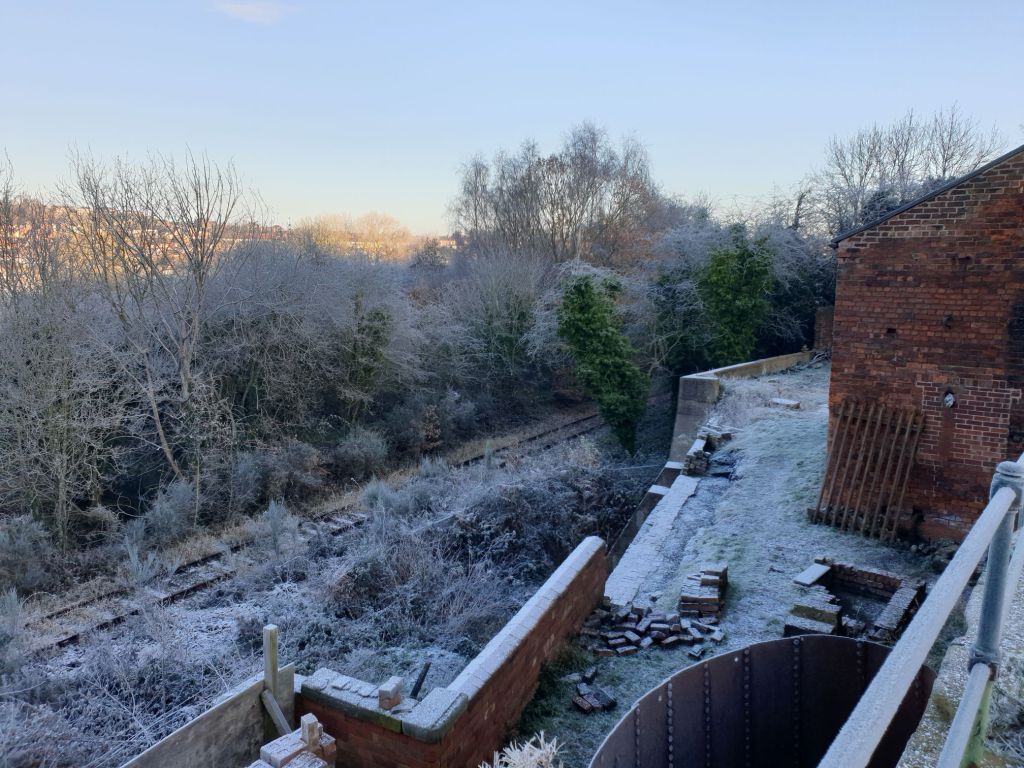
Dead Chillness reigns. And yet my heart would say –
Thomas Lister, ‘Winter Scene [In the wooded valley below Dearne Spring]’,
“Winter! I love thee well.” Though birds forlorn
Send no glad anthem from the snowy spray,
Yet gushing melodies are hither borne
From infant Dearne. Drear in the early morn
Ye seem, wild Alpine woods! – that guard this child
Of moorland springs, – ye summer-green, all torn;
Yet, Winter gives a garment undefiled
Of snowflakes light. Joy now the day-beam brings,
And sun-tipp’d gems light up the frozen wild…
from The Yorkshire Magazine, Vol.I, no.IV, January 1872, p.121
Chilly start
At the end of the year the temperatures dropped – at least at the start of the month. December 2023 saw regular, hardy volunteers on site, despite the frosty reception so well captured in Lister’s verse above.
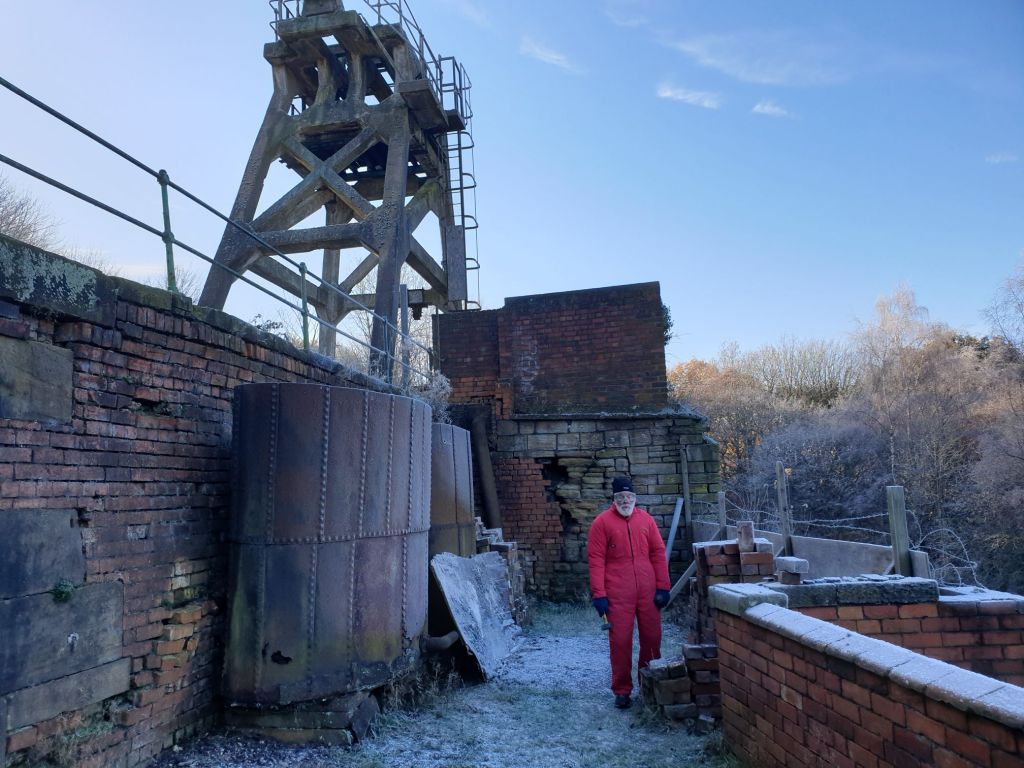
Janet, Jeff, Andy, John, Paul, Mitchell and more wrapped up well and stepped out to keep the site tidy and check on progress.
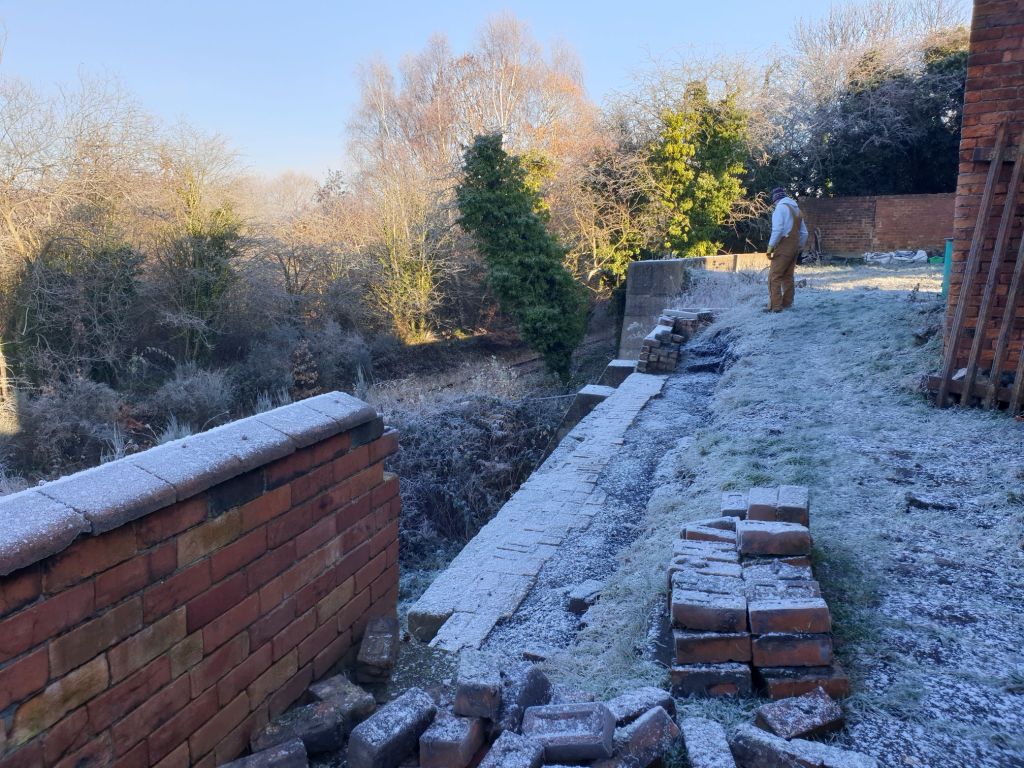
And yet, the sun soon began to burn its way through, shining from behind the frozen roofline of Pit Row.
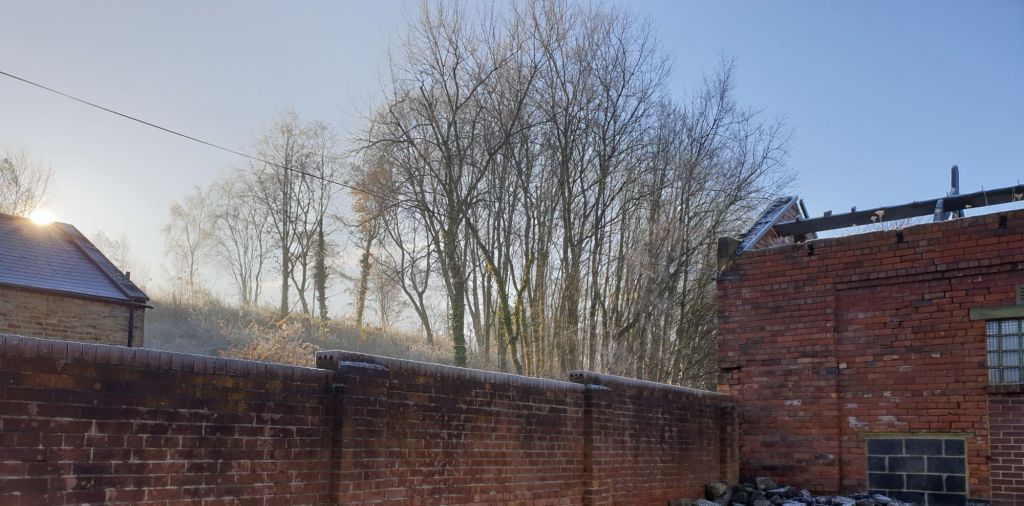
A brightening blue sky provided a heartening light as the Pump House Cottage garden was todied up, and bricks were reclaimed from the bottom of the wall.
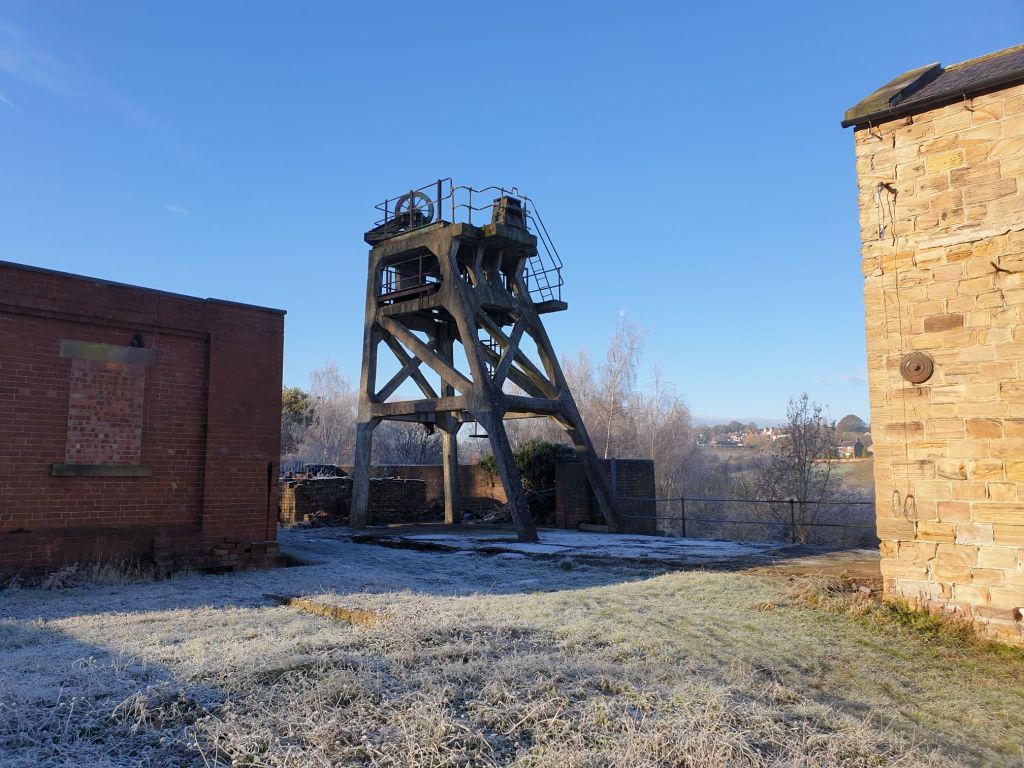
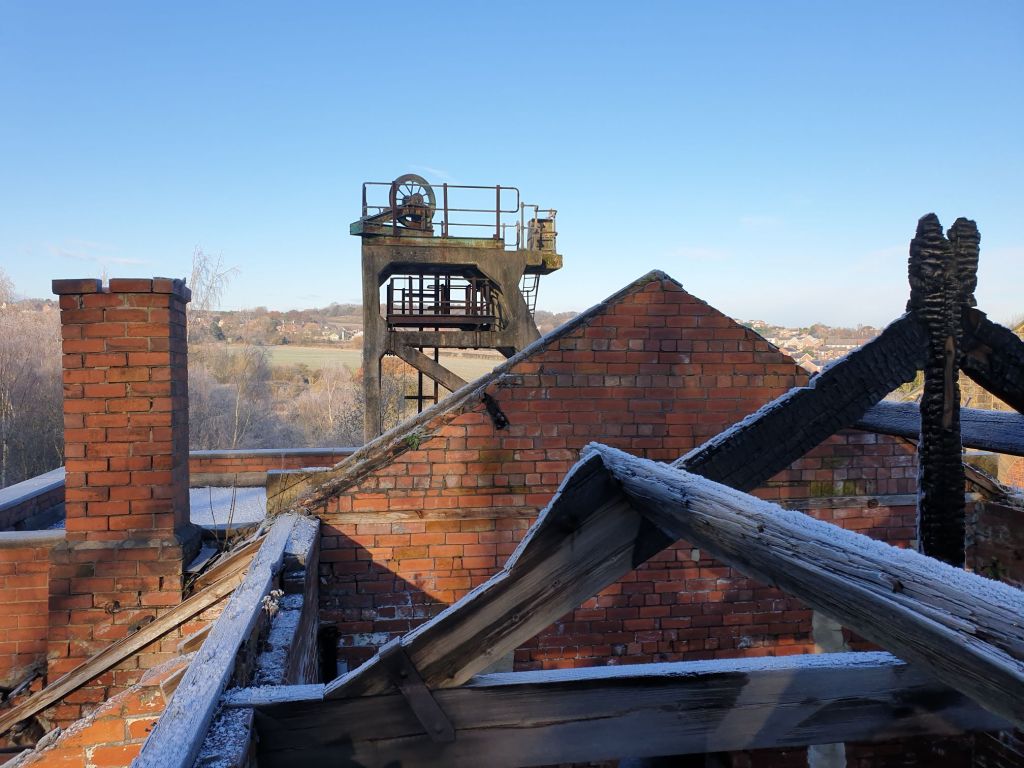
Some further maintenance checks required a ladder to mount the roofless surface haulage engine house. This provided a nice vantage point to capture lesser-spotted angles of our industrial monument.
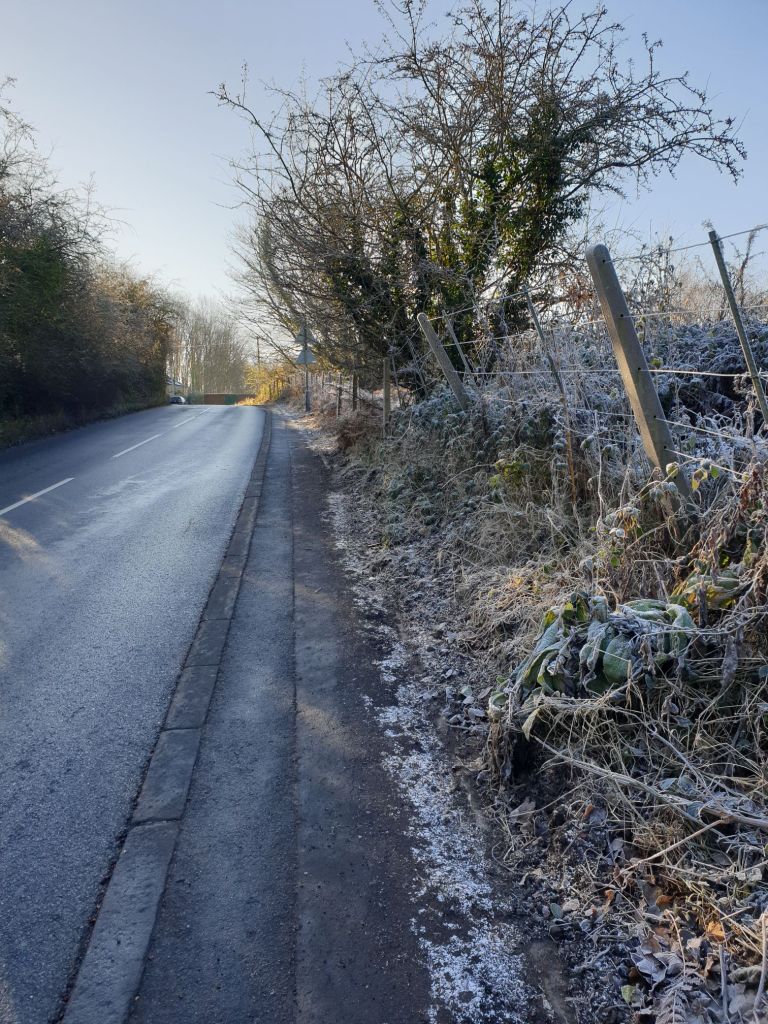
Some intrepid outdoor sweeping and path clearance took place, trying to make Wath Road a little safer and more presentable.
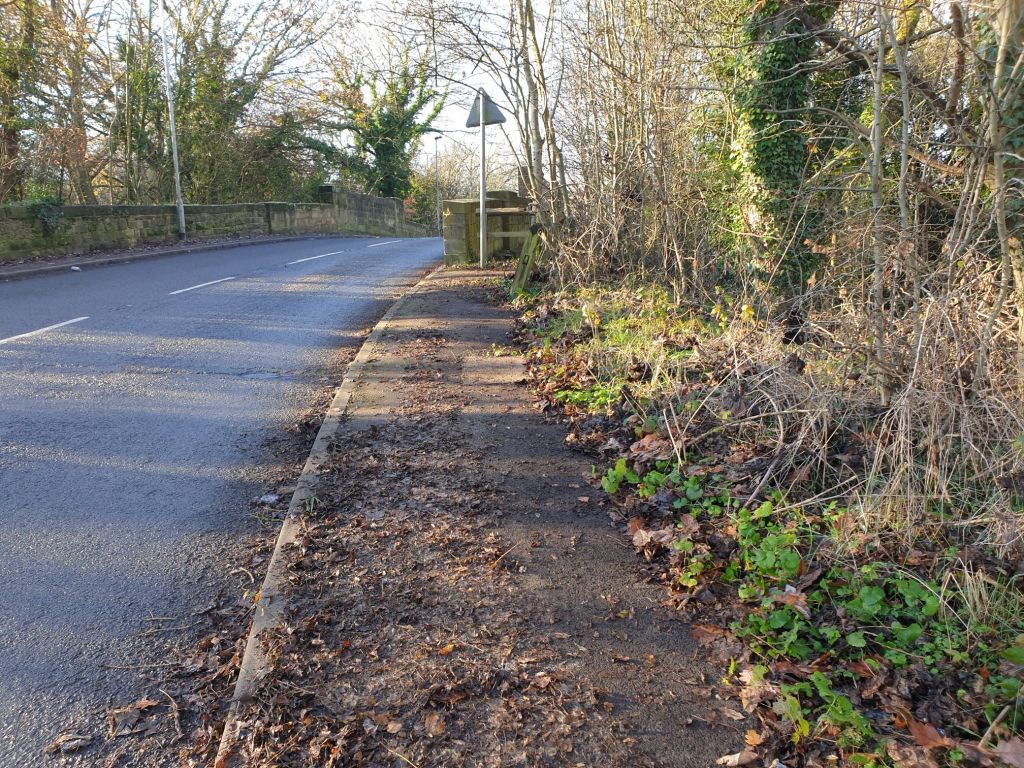
It was also great to see that the Council had been to clear back the pavement down to Tingle Bridge – a thorough job, further to our own modest efforts earlier in the year.
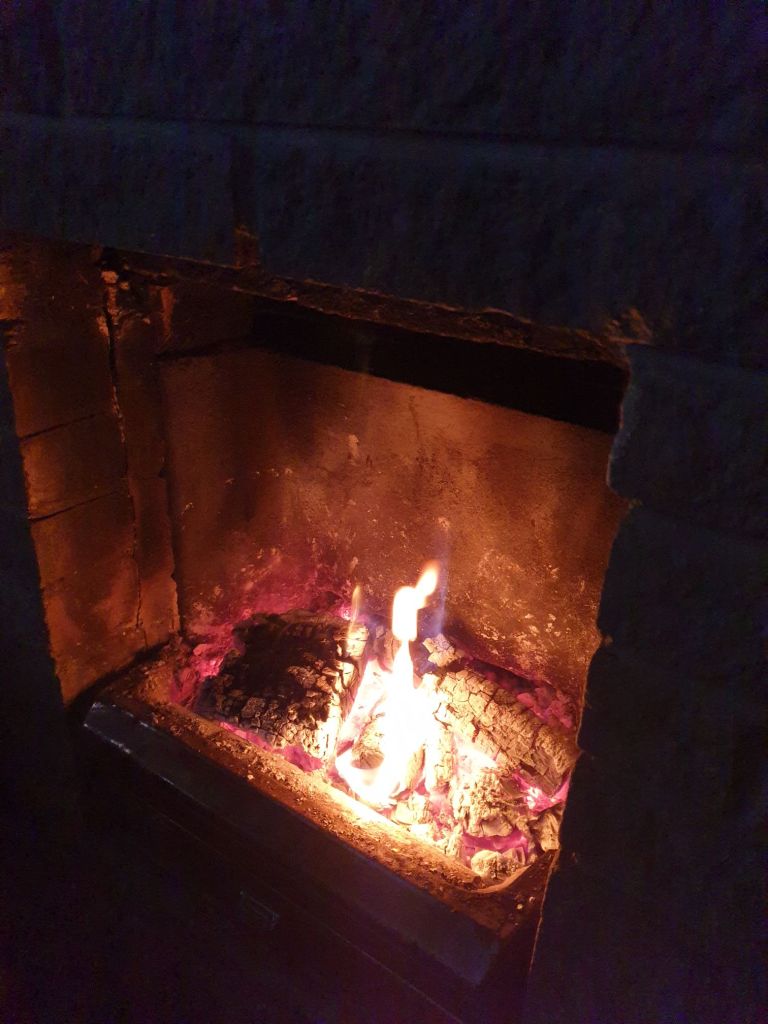
Activities keep you warm, but it was still a bit brisk, so all eyes were on the chimney at Pump House Cottage to see where the fire was heating things up a little – indeed it was! Cue a warming respite.

Few things cheer a frosty face more than the glow of a fireplace. Thanks to our dedicated volunteers a new firegrate and ashpan were added, so the fire is definitely doing it’s job and early Christmas card exchanges and plans for the future were shared by the fireside throughout the month as different volunteers spent time on site.
This year has, once again seen almost weekly activity by volunteers, barring washouts or gales, so 2023 is another great year with more volunteer hours under the belt, on top of huge efforts to complete our National Lottery Heritage Fund Project. Special thanks to Steve, Glen, Ian, Christine, John, Paul, Janet, Jeff, Jamie, Andy, Paul M., Mitchell, Danny, Chris and Andy – all helping to keep our heritage alive!
Light and dark
The final session of the year, 16th December was a much milder day – as indeed the end of the year and Christmas would prove to be temperature-wise, but boy was it a wet and windy one, as we found on arriving onsite:
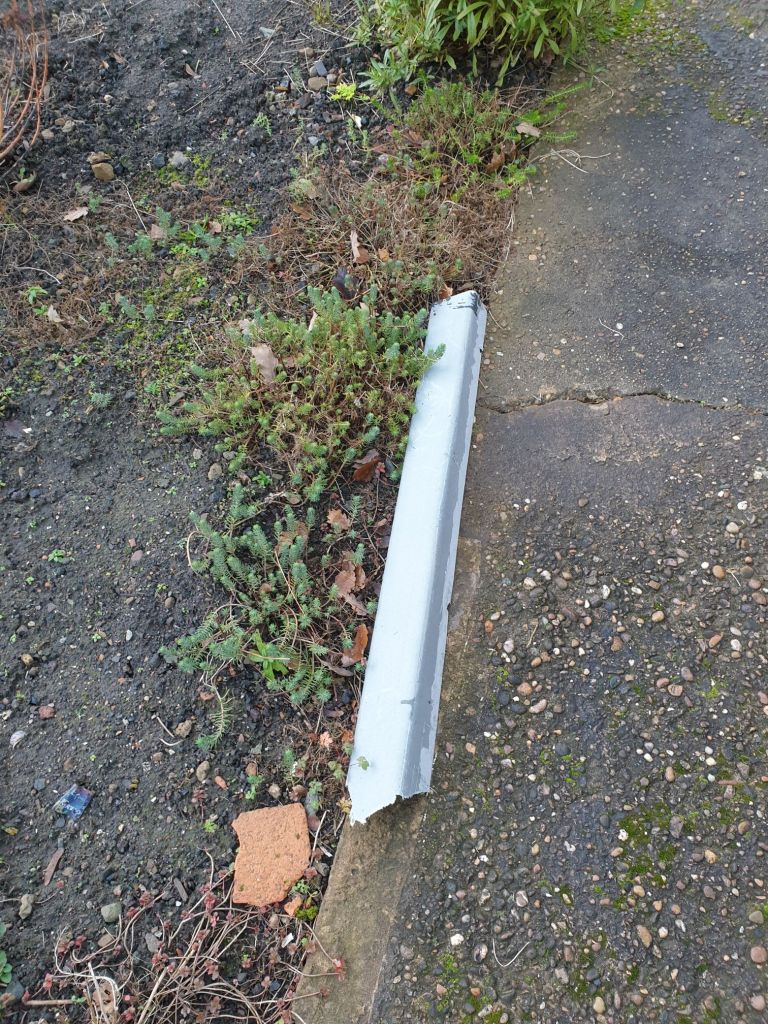
Unfortunately, despite reroofing works in 2021, the movement of the brick built extension to Pump House Cottage and storms throughout the last two years have led to further water ingress in the flat-roofed brick extension, also affecting the kitchen.
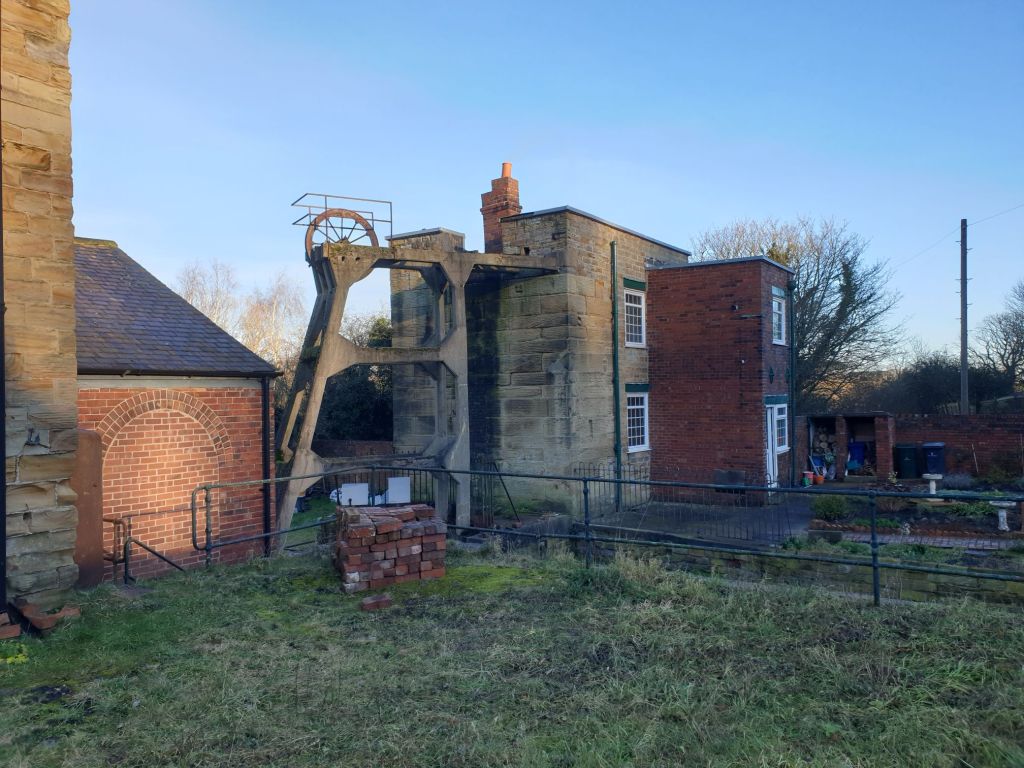
This will require significant attention in 2024 and will likely require some reroofing – any roofers please get in touch!
Fundraising for that and making Pump House Cottage more usable will be a real and continuing challenge, on top of the annual insurance costs – so the Friends do welcome all support as opening the gates is not free, let alone having any utilities!
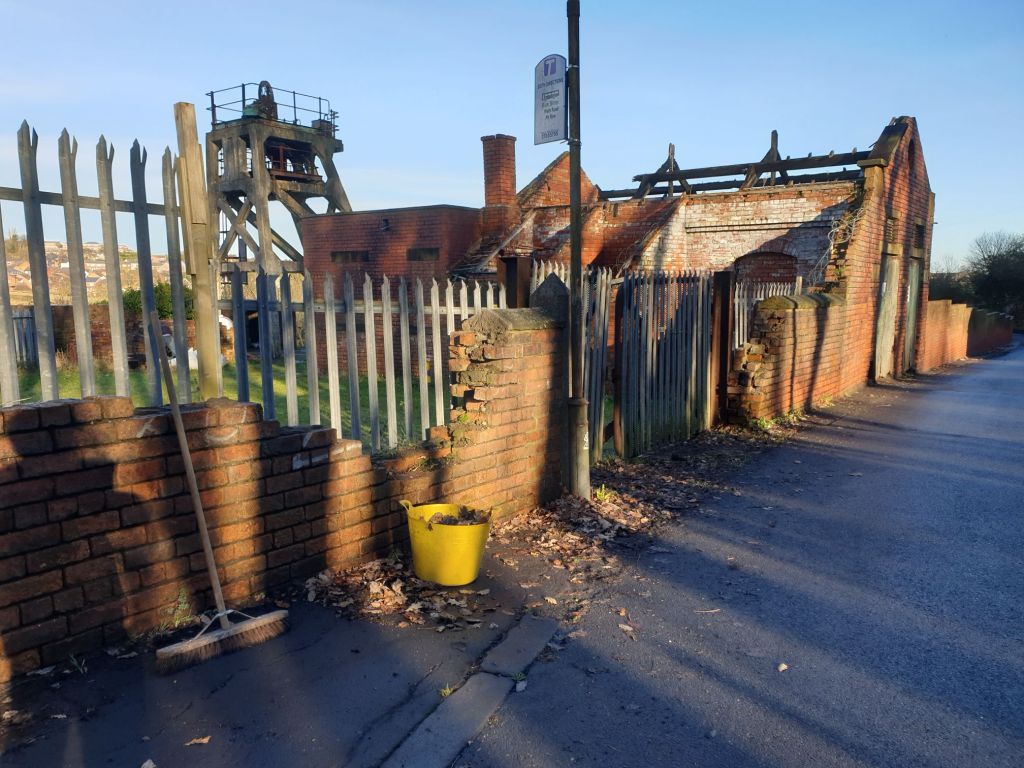
As a celebratory session, some lighter prep work took place, with reclaimed bricks being moved from the top stack around the front, ready to access for further rear wall rebuilding in 2024.
All that said, the group have much to celebrate, and a lot to plan for the year ahead. We hope to be out and about a little more, and will hopefully join in with the exciting developments down the road at the Elsecar Heritage Centre and up at Wentworth. We have a lot of research materials to share and plenty of work in progress to document. Thank you to all our volunteers, visitors and supporters, here’s to a very happy new year in 2024!
Keeping the York gas lights burning
Now onto something almost completely different. How printed ephemera, workaday documents, can provide insights into entire industries and ways of life which have all but disappeared – within 100 years. Here we briefly explore a hidden link from coal to gas, from Elsecar to York:

A coal delivery railway wagon label indicates the origin and destination of a consignment – here gas coal, that is Parkgate seam coal from Elsecar Main – and the date and extent; namely 8 tons, 15 hundredweight, dated 21st December 1920.
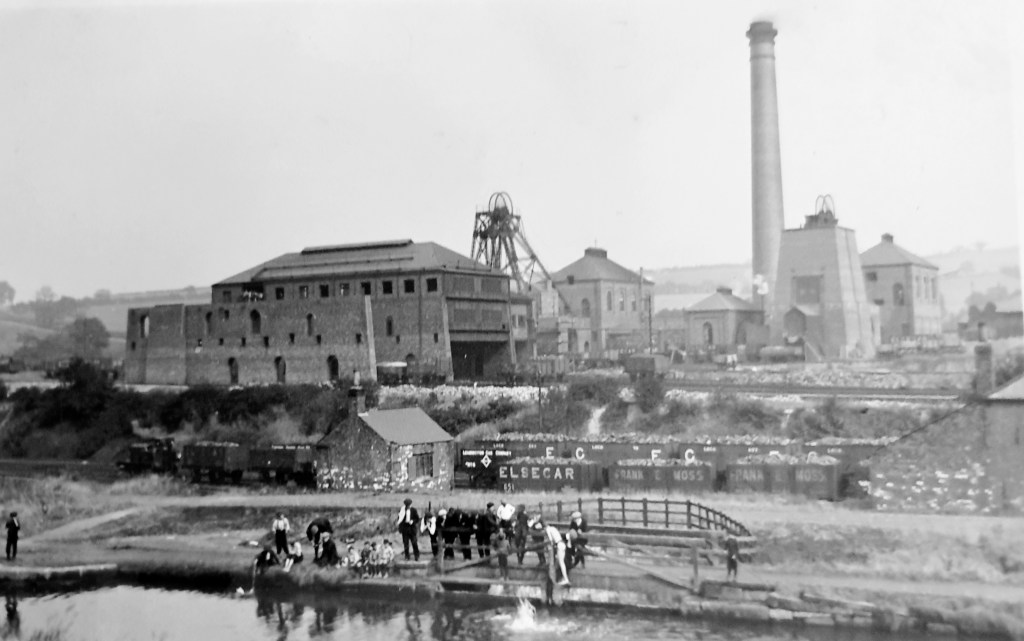
We know where it came from, but where was it going? Foss Islands sounds slightly exotic…
York Gas Works
Gas was first introduced to York in 1823 by the York Gas Light company which set up works at Monk Bridge. In 1836 the York Union Gas Light Company was formed, with works erected at Hungate. Both sites next to the river Foss for easy delivery of coal for producing town coal gas.

Between 1837 and 1843 the two rival companies struggled for dominance before amalgamating as the York United Gas Company in 1844. Additional land was secured at Monk Bridge to support future growth in 1847.

The Hungate works were later closed in 1850, with the Monk Bridge works becoming the primary focus for gas manufacture. Additional land – some 6 acres – was purchased after 1879 at Heworth Green (referred to as the new works), opposite Monk Bridge (the old works), and significant expansion followed from 1880 to 1885, including an improved NER railway connection on the Foss Islands branch from 1879 which also connected to the York Cattle Market.

The company was reincorporated as the York Gas Company in 1912, the destination in the Elsecar wagon label. In 1949, after the 1948 Gas Act, the company was nationalised, with vesting day being 1st May 1949. The Old works closed by 1960, but at the new works from 1970 the gas manufacturing facilities were turned over to natural gas distribution and ultimately closed, although some distribution equipment remains.
Today almost nothing remains of the originally large scale buildings and transport infrastructure – the river Foss and railway. The same could almost be said of both sites at either end of this fossil fuel extraction and consumption/production system – Elsecar Main or at Monk Bridge,although Elsecar has secured a significant amount of its wider 19th Century and earlier heritage – Elsecar main being closed in 1983 and cleared by 1987. Hemingfield pit survived into the 21st century as a pumping station, albeit damaged and neglected, so it’s important to capture our industrial sites while we still have them.
The brownfield Heworth Green area in York, site of the ‘new’ gasworks, is being redeveloped – with demolition, land remediation and infrastructure work completed in 2022 for the first phase of 215 apartments, evocatively called “The Gasworks”, consisting of 5 buildings named after a mixture of possibly pioneering names in the early gas industry – Clayton, Drake, Murdoch, Tate and Winsor – including early workers such as Rev. John Clayton (1657-1725), Frederick Albert Winsor (originally Winzer 1763-1830), William Tate (Tait of early gasometer fame), and most famously William Murdoch (1754-1839) who also appears in the histories of Newton Chambers, at Thorncliffe, and into the story of the gasworks at Elsecar.
 Friends of Hemingfield Colliery
Such a lovely resume’ of the year at Hemmingfield. The volunteers are all so dedicated. I was swanning off in Australia in the warmth and sun, having a wonderful time, whilst you all just carry on. Love the fire,it brings back Barrie to me and Mitchell. Love you all. Sue Sutherland xx
LikeLike